About this reference
Scope, sources and method
American Muscle Car Facts is an independent history of American muscle cars: their ancestors, the cars themselves, and the ones that carried the idea forward. Every figure is tied to a source, and when sources disagree we show both.
What we cover
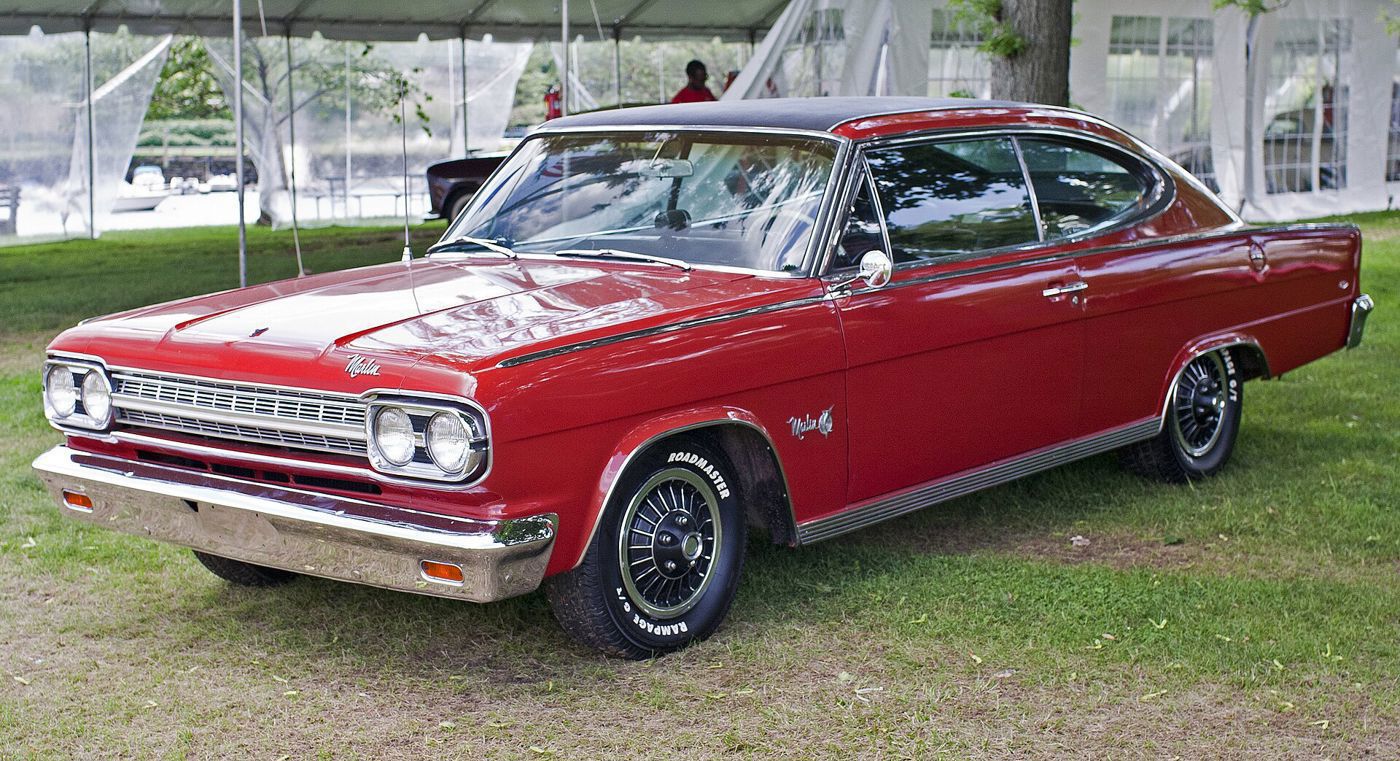
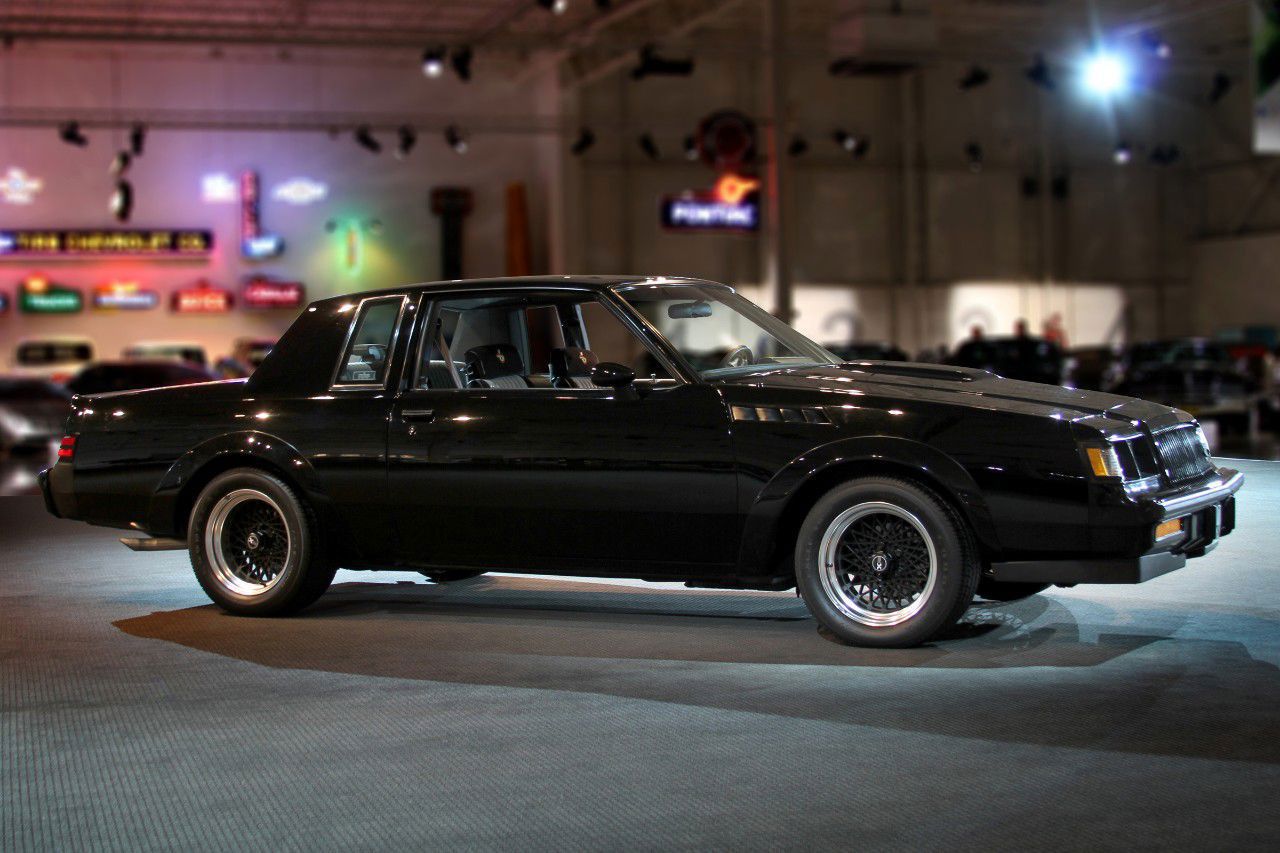
The catalog covers 62 families, from 1950s ancestors such as the Hudson Hornet and Chrysler 300 through the 1960s and '70s muscle cars to modern descendants such as the Challenger, Charger and Chevrolet SS. It includes passenger cars, specialty coupes, performance sedans, wagons and car-based utilities. It leaves out trucks, SUVs, hot hatches, replicas and purpose-built sports cars.
Coverage is United States market first. Canadian, export and other market versions are named separately and never assumed to match the US car. Years are the manufacturer's model year, not the calendar year the car was built.
Three families have their own dedicated Car Facts sites, and the full year-by-year record lives there: the Ford Mustang at Mustang Car Facts, the Chevrolet Camaro at CamaroFacts, and the Corvette at VetteFacts. Here, those cars appear when they're compared against their rivals.
How the numbers are labeled
Every figure carries a label saying how sure we are:
- Verified
- Backed by a primary factory record, or by two independent sources that agree.
- Reported
- A figure published by a manufacturer, registry or established reference, which we cite but have not reconciled against factory records ourselves. Most period production figures are in this class.
- Estimate
- A calculated figure, shown with its method.
- Disputed
- Credible sources disagree. Both figures are shown with their sources, and we explain the disagreement rather than picking the most-repeated number.
- Unknown
- We haven't found a source. We never show a missing figure as zero.
- Not offered
- The car or performance model wasn't sold that year. That is a fact about the car, not a gap in the research.
Horsepower keeps the rating standard it was published under: SAE gross before 1972, SAE net after. Road-test results belong to the exact car that was tested. Prices are the dollars of the day. Production rows are counted on different bases, such as built, sold or by VIN range, so they are not added together unless a note says they make up a total.
Where the facts come from
We prefer factory records and factory publications: production reports, specification sheets, order guides, price lists, service manuals and the manufacturers' own heritage archives. After those come marque registries and historic-services organizations, established reference books, period magazine road tests, and reference sites that cite their own sources. A forum or social-media post on its own is kept as a research lead, not published as fact.
Manufacturer sales material, such as brochures and press kits, shows what was advertised, not necessarily what was built. It is used for what it can prove.
What a VIN decode is
The VIN decoder reads each character against a sourced factory or regulatory rule. A decode is not proof that a car is genuine, original or matching numbers, and it is not a title, theft or history report. When a car's value or authenticity matters, get factory documentation and an expert inspection.
Independence
American Muscle Car Facts is an independent reference. It is not affiliated with, sponsored by, or endorsed by General Motors, Ford Motor Company, Stellantis (Chrysler, Dodge, Plymouth, SRT), American Motors or its successors, Studebaker, Hudson, or any of their divisions. Model names and trademarks belong to their owners and are used only to identify the vehicles we write about.
How we handle corrections, advertising and affiliate links, photograph credits and accessibility is on the policies page.