Identification desk
VIN decoder
Type a vehicle identification number from a GM, Ford, Mercury, Chrysler, Dodge, Plymouth, AMC or modern 17-character car. Each character is matched against a sourced factory or regulatory rule, and the rule is cited beside it.
43 sourced schemes · 1949–2039 · decoding runs in your browser
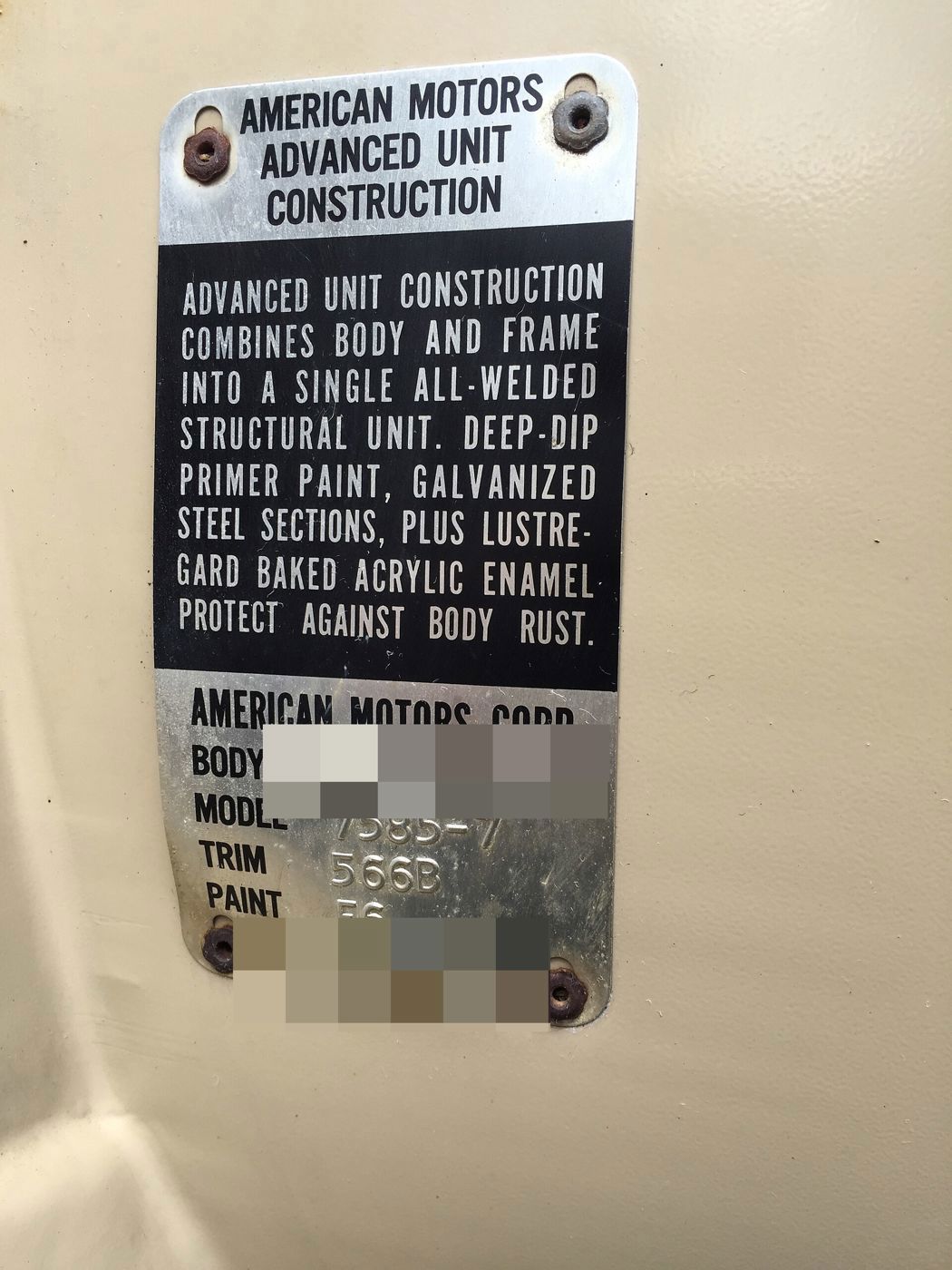
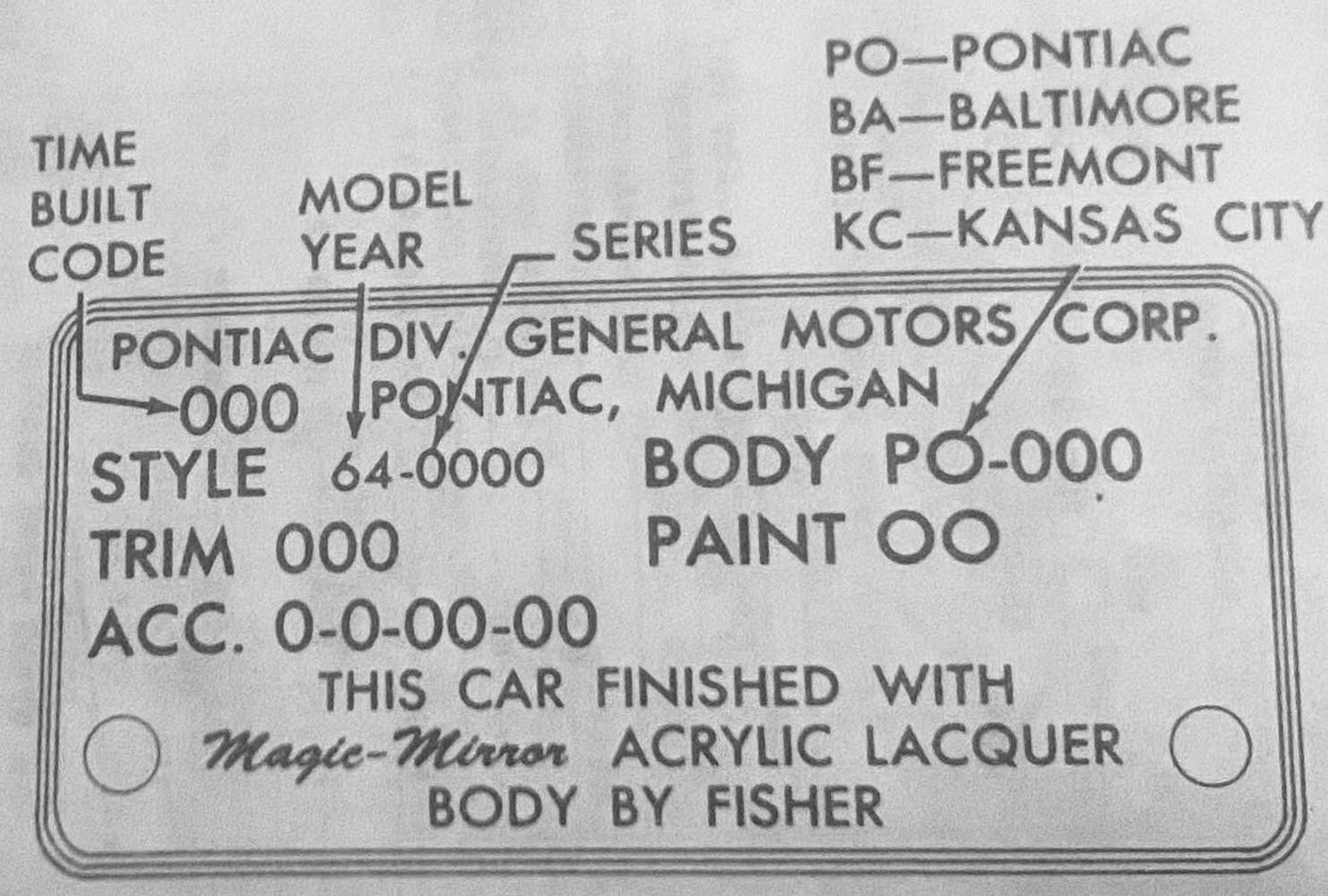
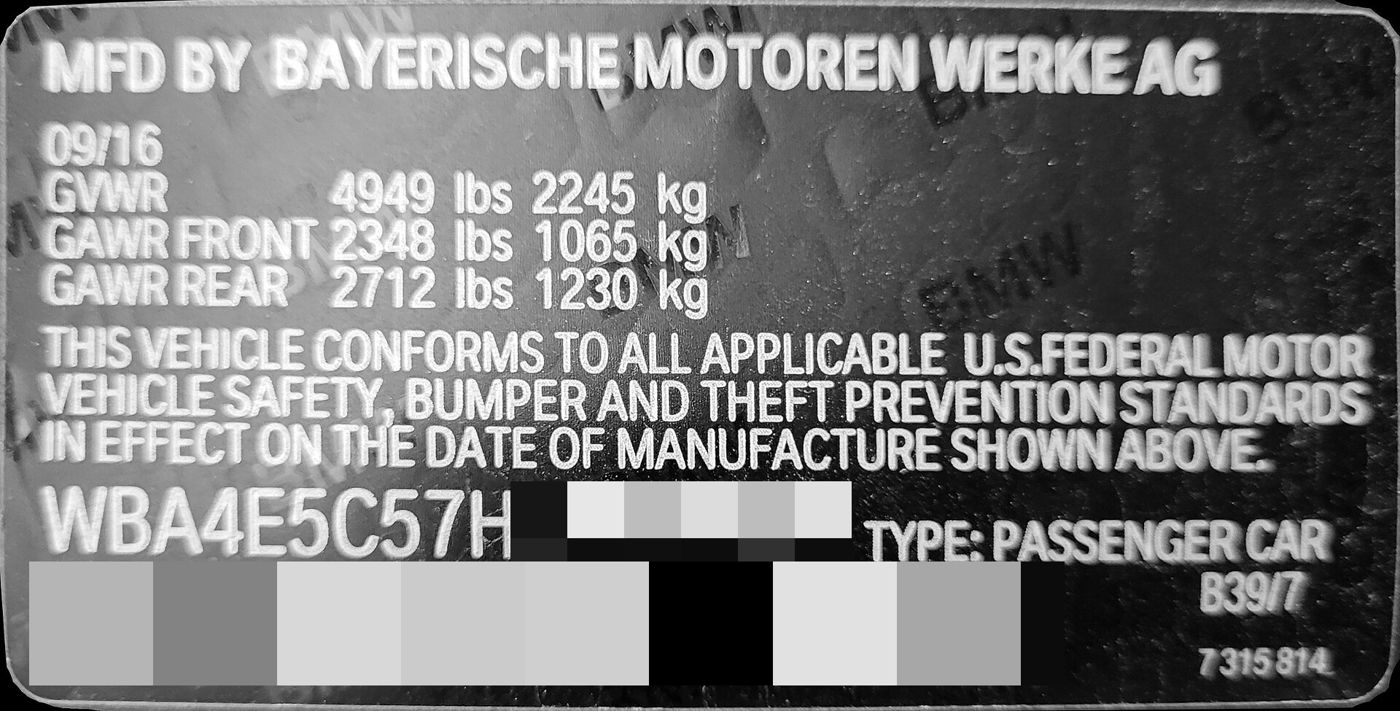
Classic GM, Chrysler and AMC VINs have 13 characters, Ford and Mercury 11, and 1981-and-later cars 17. Spaces and dashes are ignored, and every change we make to what you typed is shown.
Your VIN never leaves your browser. It is not sent to this site or anyone else, not put in the page address, and not saved. Clear removes it.
Read this before you rely on a decode
What a decode can and cannot tell you
- A decode is a reading of what the characters mean under a factory or regulatory scheme. It is not proof that the car is genuine, and it is not a matching numbers check.
- Classic VINs record how a car was invoiced, not how it looks today. Engines, transmissions, paint and trim can all have changed since.
- Most classic VINs do not encode options. The body or trim tag, the build sheet, and factory or registry records carry far more.
- A restamped, replaced, damaged or mistyped VIN needs an expert to inspect the car in person. A decode says nothing about title, theft, liens, accidents, mileage or recalls.
- Codes we could not source are shown as unknown code. We never guess.
Older independents
Serial numbers we can't decode by rule
Before the 13-character VINs of the mid-1960s, Hudson, Studebaker and Rambler stamped a serial number, which is mostly a running production count. We haven't found factory sources that define every character, so rather than guess, the decoder doesn't claim to read these. Here is what the serial can tell you, and where to look instead:
- Hudson Hornet, 1951–1954: the serial is on a plate on the right front door hinge pillar. Its prefix identifies the Hornet chassis and model year: 7A for 1951, 7B for 1952, 7C for 1953, 7D for 1954. The numbers after the prefix are a production count. (Hudson-Essex-Terraplane Club, Hudson serial numbers)
- Rambler before 1966: the serial is under the hood on the right side panel, and the engine number is separate, on the block. Rambler's data books list each line's starting serial and letter prefix but don't explain the prefixes, so we don't decode them. (1959 Rambler Data Book, License Data)
- Studebaker, 1956–1964: for a Studebaker, the build record that shows how the car was equipped at the factory is its Production Order, held by the Studebaker National Museum Archives. (Studebaker National Museum, Research your Studebaker)
Sibling decoders
Mustang, Camaro and Corvette have their own specialists
These cars have deeper, model-specific decoders on their own Car Facts sites. When one of their VINs is entered here, you'll get a link to them.
Scheme guides