People · Executive · Pontiac, Chevrolet, and Ford
Bunkie Knudsen: The Executive Who Carried Detroit’s Performance Argument Across Town
Knudsen’s documented GM-to-Ford move, recruitment of Larry Shinoda, and Boss-era role reveal how people crossed corporate battle lines.
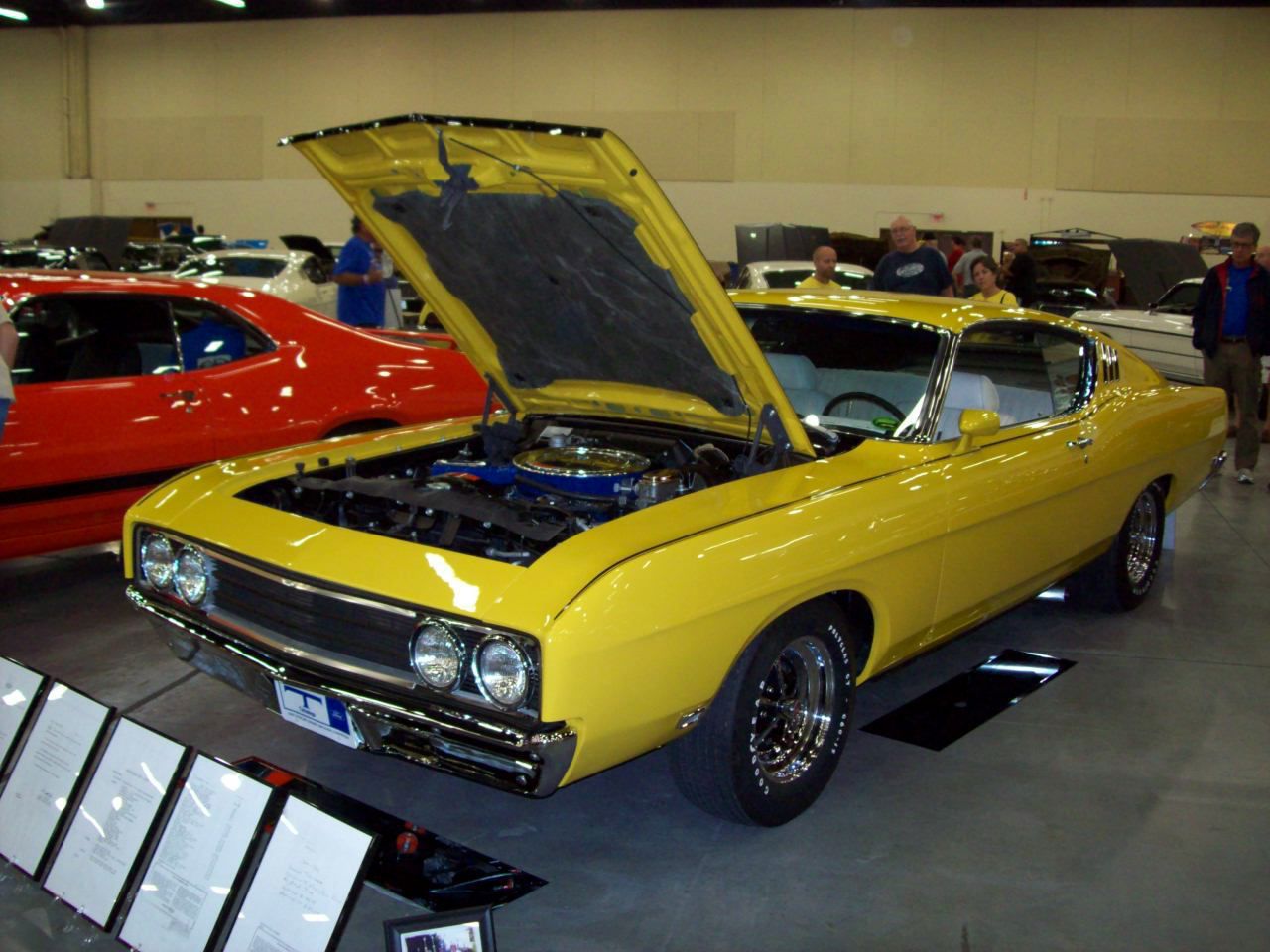

On February 6, 1968, The Henry Ford’s corporate chronology records Semon E. “Bunkie” Knudsen becoming president of Ford Motor Company. The appointment was startling because Knudsen was not a Ford lifer arriving at the natural end of an internal promotion. He came from General Motors, where his family name and his own career were deeply embedded in the corporation. The move carried a performance-minded executive across one of Detroit’s hardest company lines and placed him above the Mustang at the moment Ford’s pony car was being pulled toward a more explicit muscle-and-racing identity.
Knudsen’s 1988 oral history is valuable because it lets him describe that move in his own terms, but it also demands discipline. He remembered running Chevrolet, dealing with products already in the pipeline, and becoming dissatisfied as GM’s senior succession took shape. He then recalled Henry Ford II recruiting him for a role he understood as president and chief operating officer, with broad responsibility for company operations. These are first-person memories recorded two decades later, not minutes from the conversations themselves. The dated appointment is institutional fact; the purpose and expectations of the role are presented as Knudsen’s recollection.
That distinction matters because Knudsen attracts unusually durable folklore. A widely repeated Camaro-origin story has him rejecting an early sporty Chevrolet clay and declaring that the division needed no additional car. The exact quotation is vivid, useful, and not present in the inspected oral-history transcript. No period memo or identified contemporary interview supporting it was found in this pass. The story may preserve a real decision in polished retrospective form, but publication cannot turn an attractive line into established dialogue. Here, its absence is part of the history: corporate choices are often remembered more cleanly than they were recorded.
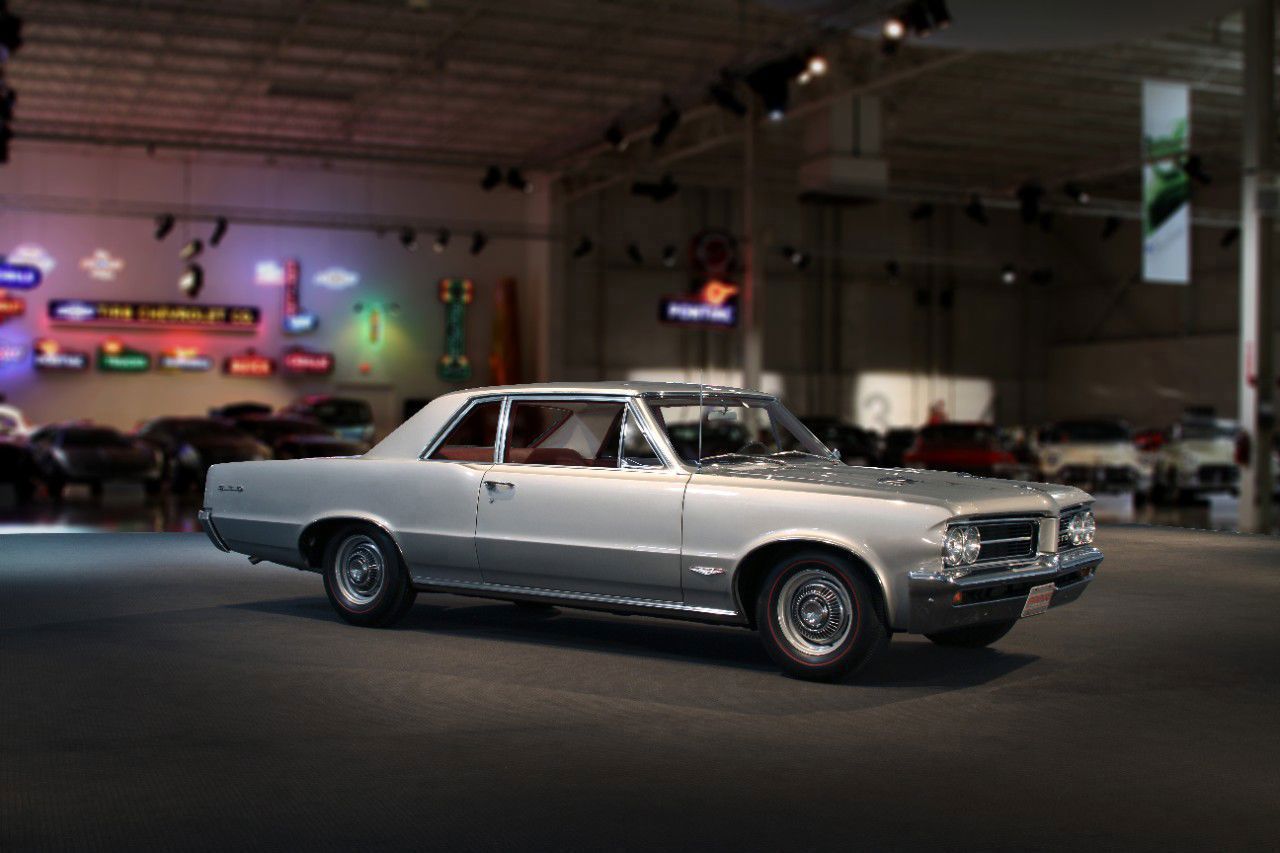
What the record does support is Knudsen’s connection to Larry Shinoda. In the oral history, Knudsen described bringing Shinoda to Ford and spoke about the designer’s sports-car and General Motors experience. That recruitment connected several histories at once. Shinoda’s work had already touched Corvette under GM design leadership. At Ford he became closely associated with the Boss 302 Mustang. The transfer therefore carried more than one executive’s résumé across town; it brought a designer whose eye and racing sensibility could be applied to Ford’s answer to the Trans-Am contest.
Ford’s later Boss 302 owner supplement preserves the company’s retrospective version of their partnership. In that account, Knudsen tasked Shinoda with sharpening the Mustang that would become Boss 302, and Shinoda stripped away details and added a graphic identity suited to the program. The naming story is presented as Ford chose to remember it decades later, not as recovered dialogue. More importantly, the evidence is specific to Boss 302. It does not support the broader claim that Knudsen personally originated every Boss program or was responsible for Boss 429. Similar badges do not create transferable authorship.
Knudsen’s Mustang importance is therefore less about a single 1967 specification than about what happened after Ford had learned the Camaro challenge was real. The 1967 Mustang had gained a 390 and a more muscular body, while Chevrolet had launched Camaro and was developing its Trans-Am program. By 1968, Ford needed more than showroom power; it needed organization, racing purpose, and a car that could answer Chevrolet under a rulebook. Knudsen’s arrival and Shinoda’s recruitment belong at that junction. They connect corporate power, design execution, and competition without pretending one man performed every engineering or styling task.
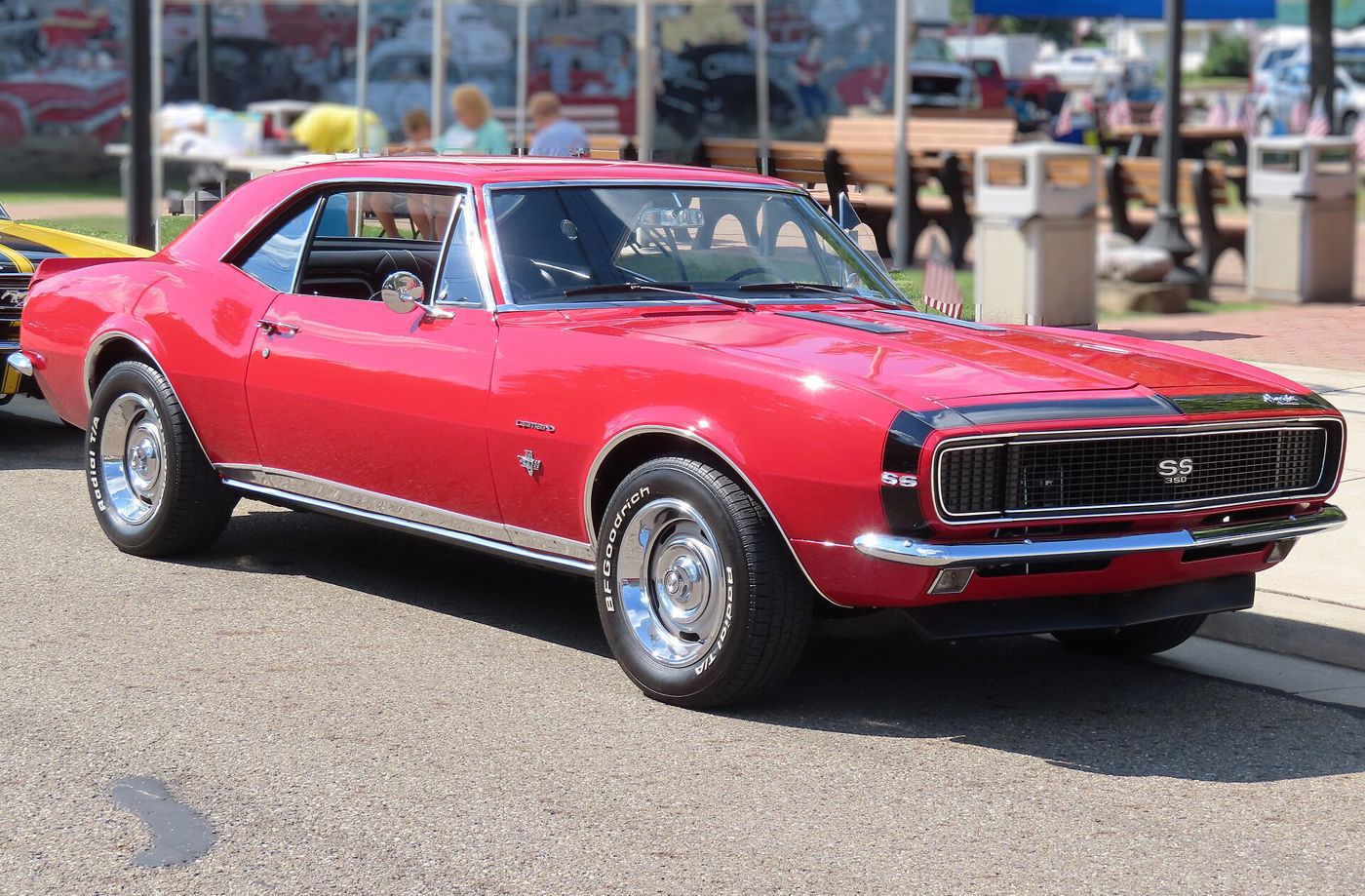

The episode also complicates simple brand-loyalty storytelling. Executives and designers did not always remain inside the empires whose cars made their reputations. Knudsen brought knowledge from GM into Ford, and Shinoda’s career joined Corvette and Mustang. Their movement shows how Detroit competition worked through people as well as products. The Mustang-Camaro rivalry was fierce in advertisements and on track, but the expertise behind it could cross corporate boundaries. A person page can reveal that porous reality more clearly than a specification table ever could.
It is equally important to distinguish sponsorship from execution. An executive could establish priorities, approve resources, recruit leaders, and demand a result without drawing the stripe, machining the engine, or setting the suspension. Designers, engineers, test drivers, production workers, race teams, dealers, and suppliers turned those priorities into cars. Knudsen’s documented influence becomes more credible when it is described at the level his records support. Giving the organization its due does not diminish him; it shows what executive power in a large manufacturer could actually change.
His Chevrolet years also remain relevant even when the unsupported Camaro line is removed. Knudsen had led a major GM division and understood the machinery of bringing products through a corporation. When Henry Ford II recruited him, Ford was not simply hiring a public personality. It was hiring experience accumulated inside its largest rival. That competitive transfer explains why the appointment mattered to the industry even before any particular Mustang program is attached to it, and why contemporary observers treated the switch as more than routine management turnover. CamaroFacts’ Knudsen profile keeps that Chevrolet-side context adjacent without duplicating this cross-company story.
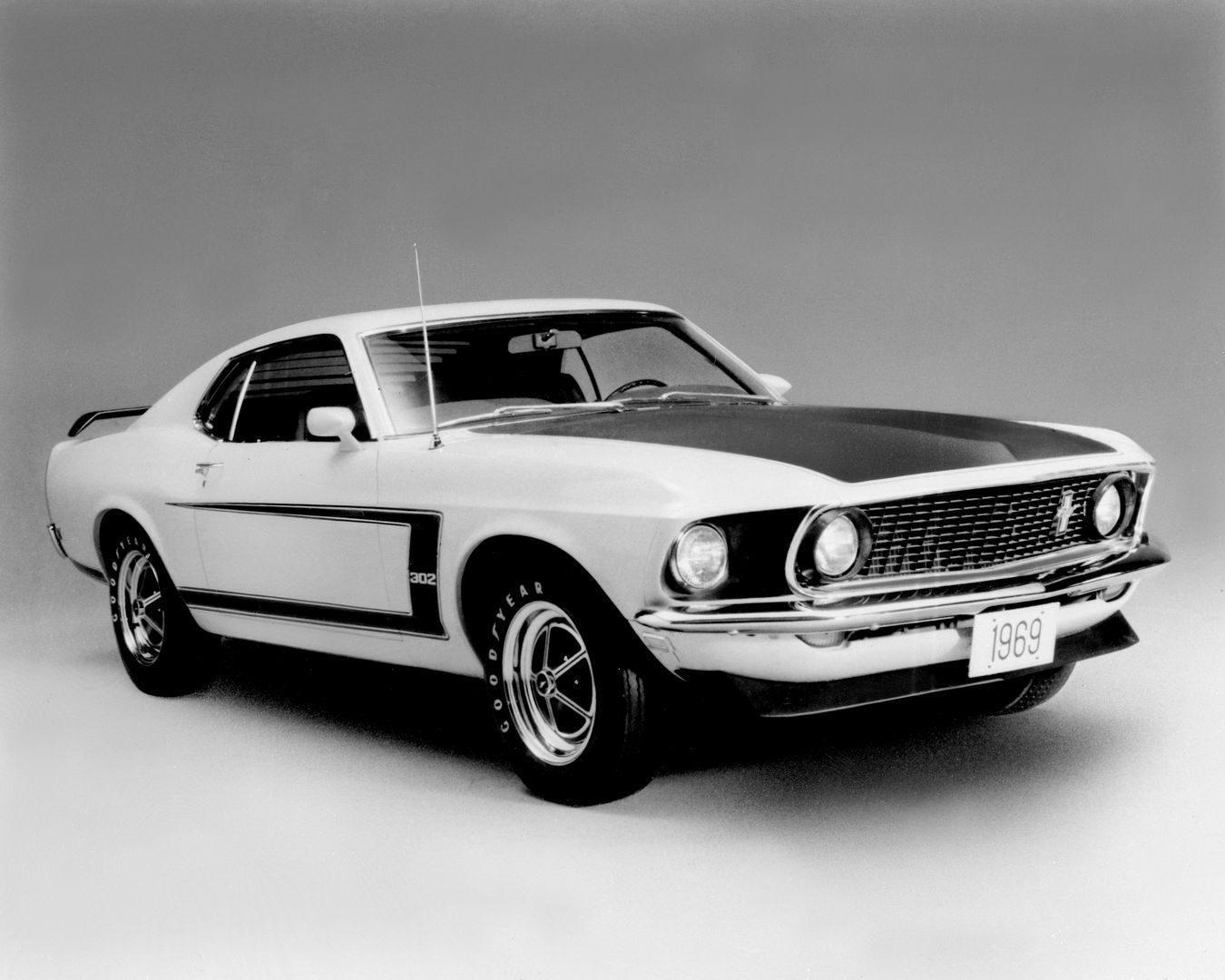
Knudsen’s Ford tenure was brief, which makes it tempting to judge it only by its ending. The 1969 dismissal after roughly nineteen months is part of the arc, but a short tenure can still redirect programs already moving through a company. The evidence gathered here does not assign him solitary credit for Ford’s performance cars, and it does not turn every subsequent Mustang into his creation. It identifies a documented appointment, his own account of the authority he expected, his recruitment of Shinoda, and a supported partnership in the Boss 302 story. That is a substantial role without becoming a lone-genius myth.
The unresolved claims remain visible. The Camaro clay dialogue stays withheld; Boss 429 responsibility awaits separate records; memories are labeled as memories. This is not an attempt to drain personality from Knudsen’s story. It is what allows the personality that survives the documents to carry weight. The strongest picture is already dramatic: a senior GM executive crossed to Ford, believed he had been handed wide operational responsibility, brought a Corvette-connected designer with him, and helped shape the next phase of Mustang’s competition response.