People · Advertising and promotion · Pontiac GTO
Jim Wangers: His Job Was to Sell the GTO
His job was to sell the GTO, and how well he did it is exactly why the origin story needs handling with care.
Story reviewed July 27, 2026
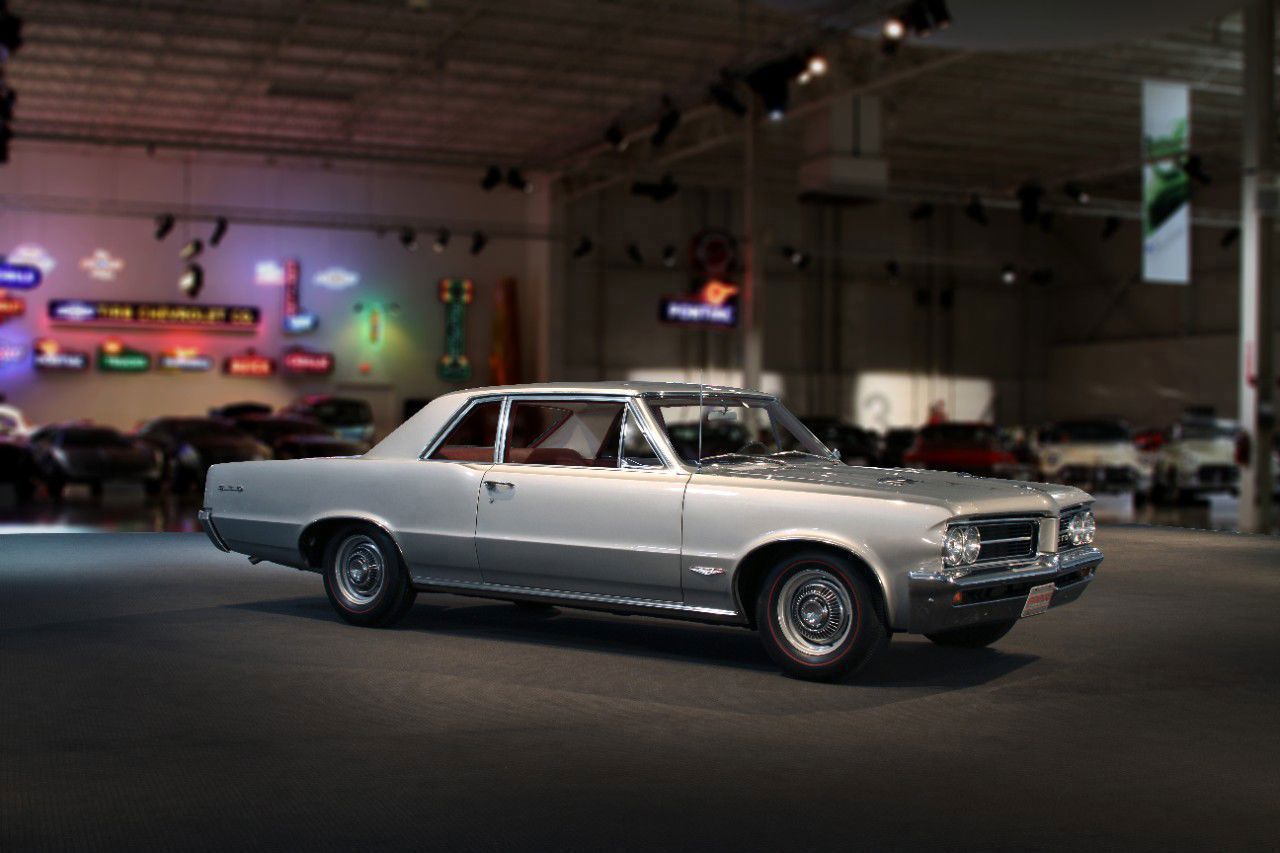
Jim Wangers began his GTO account by giving the product credit away. He named John DeLorean, Bill Collins, and Russ Gee as the people responsible for the car and later defined his own role with unusual precision: he did not originate the 389-in-an-intermediate idea; his job was to sell it. That distinction makes a better person story than another inventor claim. Wangers became important because he understood how engineering, dealer activity, advertising, press attention, and enthusiast identity could reinforce one another.
His route into that role ran through Pontiac enthusiasm and racing. In a 1994 oral history, Wangers remembered winning Top Stock Eliminator at the 1960 NHRA Nationals and said the result opened relationships with Pete Estes and DeLorean. No official result sheet was acquired for this pass, so the victory remains explicitly his recollection, and a broader claim of plural national championships is withheld. The scene still explains how competition credibility could create access inside Detroit.
Wangers worked for MacManus, John & Adams on the Pontiac account. He described himself not as the solitary author of every campaign but as a go-between linking Pontiac leadership with the agency’s creative staff. That collaborative description parallels the engineering story. Just as DeLorean, Collins, and Gee held different technical roles, Wangers, executives, copywriters, art directors, dealers, and press contacts performed different parts of the launch.
The timing created a difficult assignment. Pontiac’s public performance identity had grown through racing, Super Duty parts, drivers, and results. A January 1963 bulletin canceled new 389 and 421 Super Duty orders, while GM’s later testimony documented a corporate policy against racing participation and racing or speed promotion. Wangers remembered a broader corporate memo and antitrust anxiety, but that directive has not been located. His challenge is therefore described as remembered consequence inside a policy frame, not as a quotation from a missing document.
Royal Pontiac became one of the channels through which performance remained tangible. Wangers recalled the dealer preparing press cars and acting as a proxy when direct factory participation was politically constrained. He also claimed that factory knowledge or work sometimes entered the process. These are firsthand recollections, not independent work orders. The page uses them to show how the relationship functioned in his memory while keeping exact vehicle preparation unresolved until Royal records, manifests, or engine-number evidence appear.
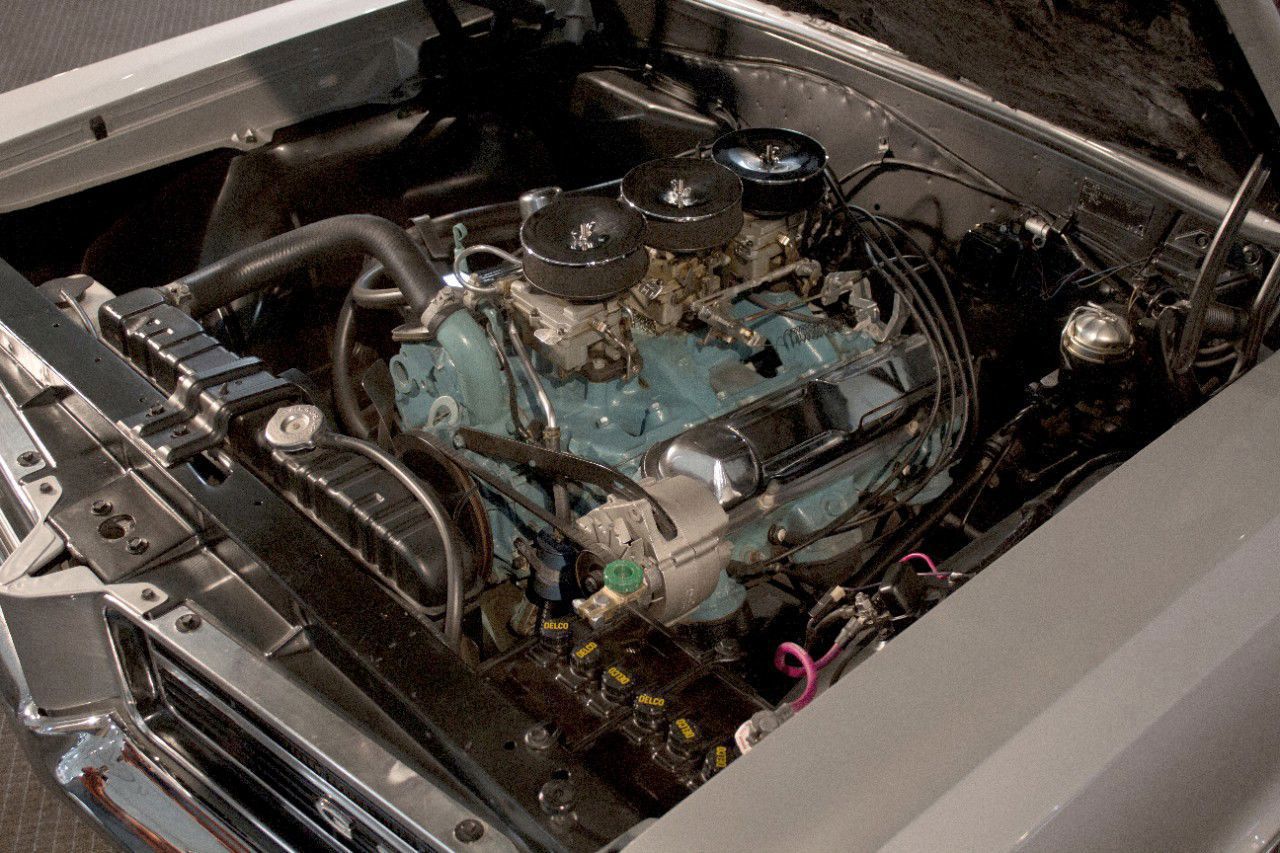
Pontiac’s April GTO brochure demonstrates what Wangers and the agency were selling. Its copy openly discussed firm suspension, audible dual exhaust, fuel economy, traction, a Hurst-shifted four-speed, limited-slip differential, brakes, cooling, and two engine choices. The car was not disguised as ordinary transportation. Marketing moved competition language onto the street and treated compromise as proof of purpose. That voice is a period artifact, so it anchors the public message more securely than later recollection alone.
The Car and Driver idea showed Wangers’s instinct for controversy. General Motors credits him with persuading the magazine to stage a Pontiac-versus-Ferrari GTO comparison that could not actually be run as presented. The current archive calls it fictional while preserving the Pontiac test. Borrowed initials, an impossible opponent, and strong measured claims created attention beyond a conventional advertisement. Wangers sold not only specifications but a debate readers would repeat.
That feature also created the page’s hardest evidence conflict. Later accounts allege that the Pontiac test cars carried 421 engines rather than production 389s. The original article, GM’s current history, and inspected factory records do not prove the substitution. A scan host’s assertion is not enough. The allegation remains visible, along with the artifacts required to settle it: car manifests, engine numbers, Royal Pontiac work orders, Wangers-editor correspondence, or a direct participant admission.
Wangers’s strength was understanding that mystique could be engineered without pretending mystique was engineering. The GTO name borrowed Ferrari’s homologation vocabulary. Advertising emphasized traction trouble and mechanical choices. Dealer activity gave enthusiasts somewhere to encounter a sharper version of the promise. Magazine controversy created social proof. None of those activities designed the 389 or suspension, but together they determined how rapidly the public recognized what the engineers had built.
The story also shows why marketing history needs source labels. Wangers’s memoir and oral history provide scenes, remembered intent, and a candid account of his role. Pontiac’s brochure records the message that actually reached buyers. GM’s retrospective records the company’s modern interpretation. Car and Driver preserves what the magazine published. Royal records remain missing. Using all four layers prevents one persuasive storyteller from becoming the only witness to his own success.
Official NHRA results and agency archives would add two more layers. The first could settle exactly which titles Wangers won and in what class; the second could identify who wrote, designed, approved, and placed individual campaign pieces. Those records matter because Wangers himself described collaboration. Crediting the full creative chain would strengthen his go-between role rather than diminish it.
His contribution continued beyond one launch, but this page remains bounded to the evidence gathered for 1964. It does not turn later Pontiac campaigns into a career catalog or repeat unsupported anecdotes simply because they fit his reputation. A broader biography can follow when institutional employment records, official race results, and additional archived interviews are inspected. The focused page already contains a full arc: racer, agency intermediary, policy problem solver, dealer collaborator, and architect of a provocative media moment.
Wangers did not need to invent the GTO to become indispensable to its history. DeLorean, Collins, and Gee could create a compelling configuration, but someone had to translate it into a promise buyers understood and a controversy journalists amplified. Wangers said his job was to sell it, and the evidence shows how many systems that verb contained. Preserving the line between product and promotion gives both achievements their due and makes the launch feel like a story rather than a corporate legend.