Racing · IROC · identically prepared Camaros · 1987
Geoffrey Bodine and the Camaro That Was Equal by Intention
When the organisers make every car the same on purpose, what the title measures becomes an interesting question.
Story reviewed July 27, 2026
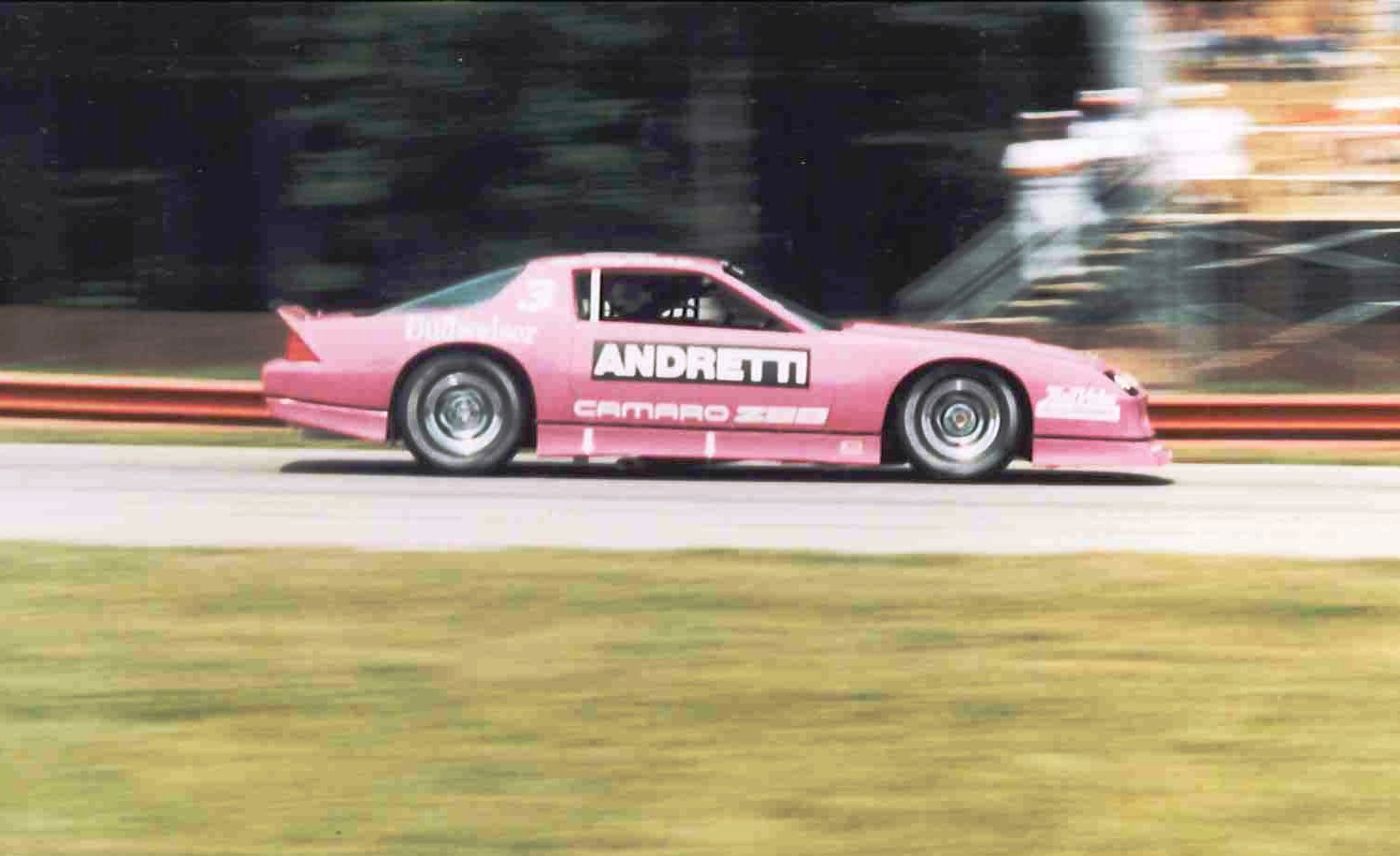
The drivers arrived with reputations built in different cars and different series, then climbed into Camaros prepared to reduce those differences. That was the International Race of Champions proposition: control the machinery closely enough that the competition would expose the driver. IROC’s official history names Geoffrey Bodine as the 1987 champion. The result is clear. The word commonly used to explain it—“identical”—requires more care than it usually receives.
Identical preparation was the series objective, not proof that every physical car remained indistinguishable through every session. Parts vary within tolerances. Setup work, wear, damage, repair, tire behavior, and allocation can affect a field even when organizers work earnestly toward equality. Saying this does not accuse IROC of failure. It describes the engineering challenge at the center of the spectacle. A publication-ready page should distinguish the rules and preparation process from the stronger claim that no meaningful variation existed.
The Camaro identity creates a second trap. Chevrolet sold the 1987 IROC-Z as a street performance package with several power-team possibilities. The factory chart advertises the LB9 305 at 215 horsepower with a five-speed and 190 with the 700-R4 automatic, with torque peaks also changing by transmission. The IROC series car was not either showroom configuration. It was a purpose-built race car whose technical specification belongs to series rules, preparation records, and event dossiers.
The name still made a powerful bridge. A buyer saw IROC-Z on a dealer’s Camaro during the same period that champions competed in visually related cars. The association carried racing authority into the showroom, while the street package gave television viewers a familiar outline and badge to recognize. This site preserves that cultural relationship with contextual links between the exact IROC-Z configurations and the racing story. It does not use the relationship to move an engine rating, transmission, axle, weight, or performance result from one branch to the other.
Bodine’s championship provides the human line through the experiment. He entered a format designed to neutralize some of the equipment differences that ordinarily shape motorsport. Winning in that format could be presented as pure proof of superior driving, but even that conclusion needs restraint. A championship is the result of the series’ scoring system across its scheduled races. To narrate how Bodine secured it, the next evidence pass needs the 1987 entry list, event results, points tables, car allocations, cautions, and technical rules.
Without those records, it would be easy to write a documentary summary that sounds complete and says little: famous drivers, equal cars, one champion. The better story remains open at the decisive moments until evidence can support them. Which result changed the points picture? Which car was Bodine allocated? How did the series rotate or repair cars? What did competitors say about equality? Each answer must come from a contemporary or institutional record, not from a modern video caption detached from its source.
Even the field’s “champions” label needs exact scope. IROC invited accomplished drivers, but entry criteria, represented disciplines, substitutions, and season participation should be taken from the official roster. A name’s fame cannot fill an absent entry sheet. The same rule protects Bodine’s story from hindsight: later career achievements may help readers place him, but they do not establish what happened in a 1987 IROC race. Chronology and evidence keep the championship from becoming a generic biography.
The preparation team deserves equal attention once records are available. Building a fleet toward common specification requires measurement, parts control, setup procedures, inspection, repair, and judgment about when a component is no longer comparable. The series premise depended on mechanics and organizers whose names are often lost behind the drivers. This page does not invent those roles. It identifies them as a research priority because the attempt at equality was itself an engineering achievement, regardless of whether perfect equality was physically attainable.
That distinction changes how discrepancies should be handled. If a driver later remembered one car as stronger or weaker, the recollection should not be discarded as a complaint or treated as proof that the series was rigged. It becomes one qualified observation beside allocation records, lap data, maintenance logs, and other accounts. Credible disagreement belongs in the narrative. An isolated forum assertion without provenance does not. The standard allows tension without converting every memory into a settled fact.
The official history’s champion list is sufficient to publish Bodine as the 1987 title winner, but not to reconstruct every race. This is why a page can be publication-ready and still name its holds. The story tells what the series attempted, what the street name did and did not mean, and who won. It withholds a decisive-race scene that would require unsupported detail. Future evidence can extend the narrative rather than silently correcting a scene that was written too early.
The comparison selector reinforces the lesson in miniature. Choose the manual LB9 IROC-Z and Chevrolet’s chart says 215 horsepower at 4,400 rpm, with 295 pound-feet at 3,200. Choose the automatic and it says 190 horsepower at 4,000, with the torque peak at 2,800. If two showroom cars carrying the same trim and engine family cannot be collapsed safely, a purpose-built IROC Camaro certainly cannot be represented by the badge alone.
The held 5.7-liter Camaro offers another example of restraint. An early Chevrolet chart prints “NA” for output while constraining the B2L package to IROC-Z, automatic transmission, and a 3.27 axle. Later material is commonly read as supplying an L98 rating, but this release waits for the dated revision relationship. The racing series cannot be used to validate the street engine, and the street literature cannot establish the race car. Each branch must acquire its own evidence.
Contextual reciprocal linking makes that separation useful to readers. Camaro Facts’ 1987 page can link to this history where it explains the IROC name and back to the exact comparison where it explains transmission-specific street cars. This page can return readers to the sibling year coverage without adding a generic network footer. The links exist because a precise editorial question crosses the sites, not merely because they share an owner.
IROC’s enduring idea was wonderfully simple and technically difficult: make the cars equal enough that the drivers become the difference. Bodine’s championship is the verified outcome of the 1987 attempt. The story becomes richer when “identical” is treated as a disciplined objective rather than magic. It creates room for organizers, mechanics, allocation, wear, repair, and the possibility of credible disagreement, all without taking the title away from the driver who earned it under the series’ rules.
That is why the race Camaro was equal by intention. The phrase honors the work instead of mocking its limits. It also gives the site a durable rule for every future race page: name the sporting objective, preserve the machinery’s actual provenance, and never let a familiar street badge substitute for technical evidence. The IROC-Z and IROC racer can illuminate each other across a link while remaining exactly what they were—one sold in multiple showroom configurations, the other prepared for a championship designed to ask a different question.