Racing · Mopar, Ford, and Chevrolet factory drag programs · 2015
Factory Stock Becomes a Three-Marque Argument
A three-marque class where the most interesting disagreement is about how many cars were actually built.
Story reviewed July 27, 2026
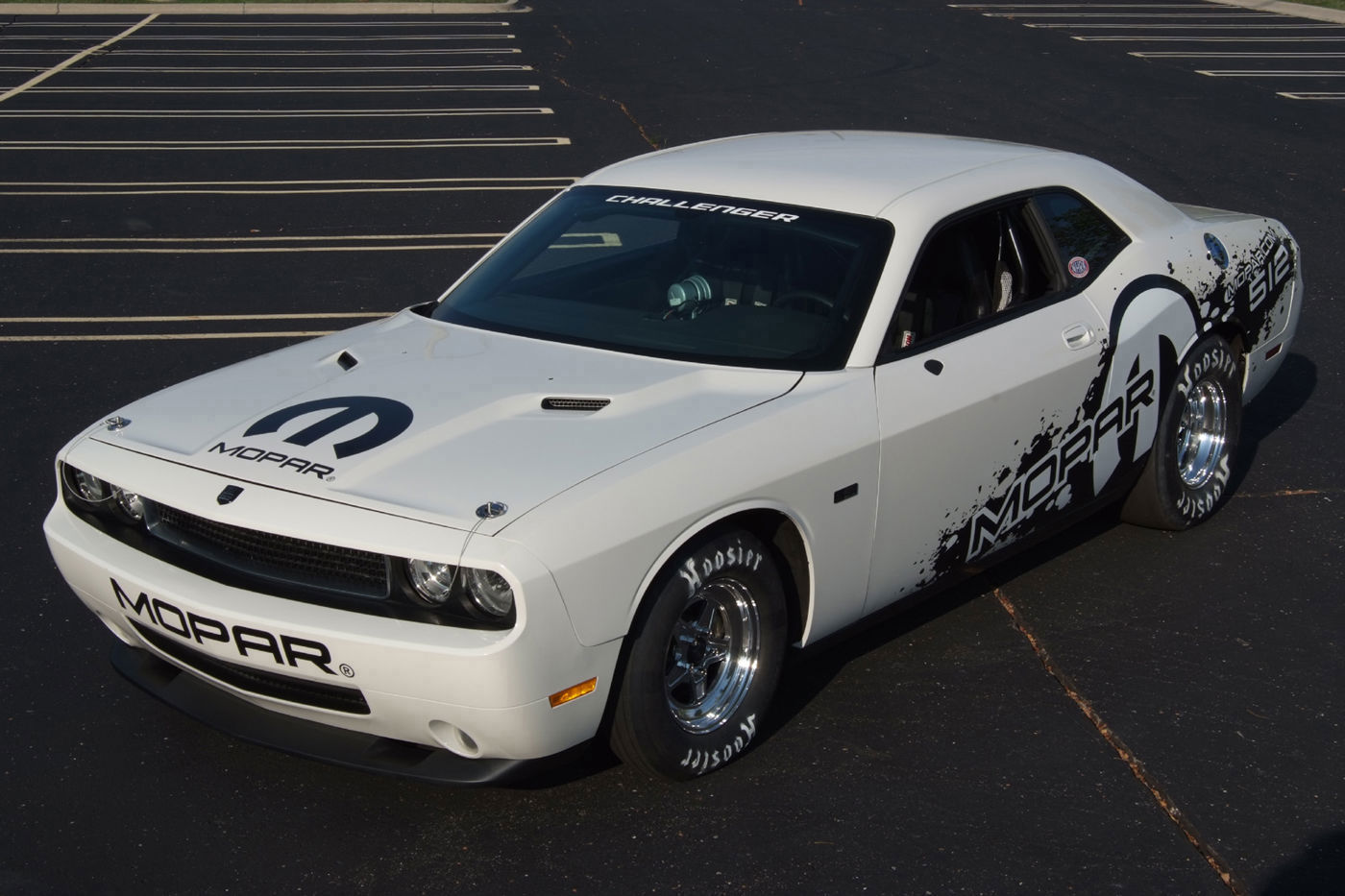
Mopar opened ordering for a 2015 Challenger Drag Pak with a planned run of 60 race cars: 35 using a supercharged 354-cubic-inch combination and 25 using a naturally aspirated 426. FCA Canada later said dealers had ordered all 60. NHRA's 2020 technical retrospective, however, reports 58 cars built in 2015. Planned, ordered, and built describe three different stages; no inspected record explains the two-car gap or shows how the planned engine split maps onto the completed cars.
The starting line offers an irresistible scene, but the page begins earlier at ordering and build identity. A customer was not selecting a street Hellcat or Scat Pack with an NHRA option. Drag Pak belonged to a race-only branch with its own body, engine, safety, chassis, transmission, class, and delivery requirements. A planned total also requires final accounting before becoming completed production.
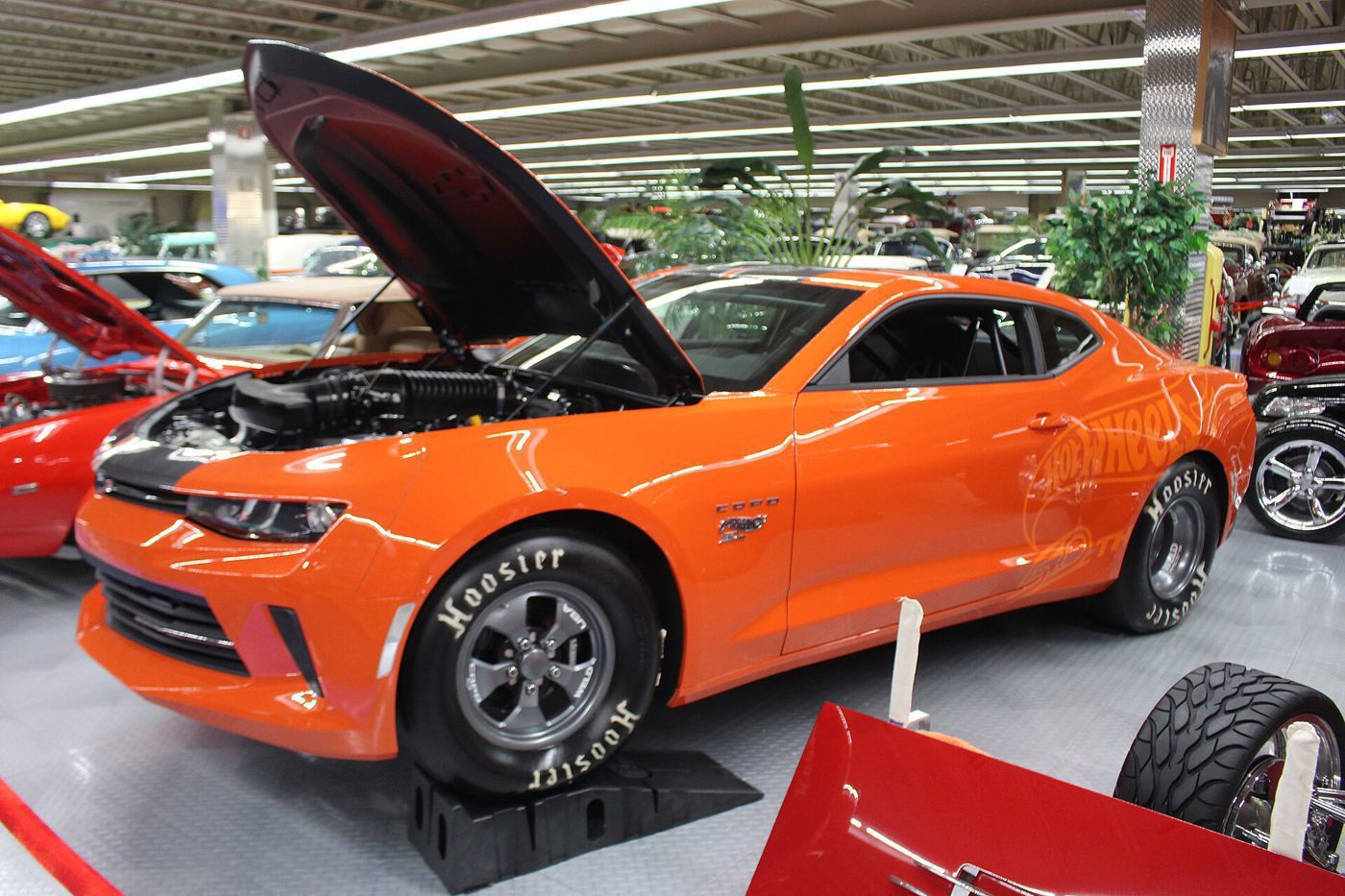
Chevrolet’s COPO program forms the second marque in the argument. The acquired chart preserves program specifications and statistics for its stated years, but each 2015 claim needs exact model-year material. COPO does not inherit street Camaro SS, ZL1, or Z/28 output. The shared Camaro body identity makes a cultural link while technical data remains in the race dossier.
Ford’s calendar complicates the third. Ford revealed the 2016 Cobra Jet at SEMA in calendar 2015. It remains a 2016 model-year race car, not a 2015 street or race selector. The page can describe the reveal as part of the competitive moment while keeping model year explicit. Calendar date is not permission to backdate configuration.
Factory Stock itself requires rules evidence. NHRA categories, accepted combinations, weights, modifications, certification, and event procedures define what the cars were built to do. Manufacturer releases explain product intent and ordering; sanctioning-body rules and results establish competition. A press claim cannot substitute for a rulebook or official ladder.
The people story includes Mopar and Dodge program staff, Chevrolet COPO teams, Ford Performance personnel, builders, suppliers, dealers, racers, crew, and NHRA officials. Each occupies a different role. Future records should identify who designed, assembled, homologated, ordered, drove, tuned, and inspected the cars rather than crediting one executive or driver with the entire factory effort.
The Mopar split between supercharged 354 and naturally aspirated 426 is especially important. “Drag Pak” is not one engine. The 35/25 mix belongs to the plan and dealer-order statements; it cannot be projected onto NHRA's 58-car retrospective built count, event entries, or survivor counts. A car-specific serial, invoice, and build record is required before a surviving example is identified as one of either group.
Hellcat provides nearby showroom context but no specification shortcut. Challenger Hellcat carried a supercharged 6.2-liter street engine at 707 horsepower, with manual or automatic choices. A Drag Pak supercharged 354 was a different race power team. Shared supercharging and body shape do not establish output, calibration, transmission, or parts equivalence.
The same boundary protects Camaro. Street Z/28’s LS7, SS’s LS3/L99, and ZL1’s LSA remain exact dealer configurations. COPO uses race-program evidence. A famous elapsed time can be stored only with exact car, event, class, conditions, method, and source. It never overwrites a factory advertised engine rating in the street selector.
The story should follow consequences rather than list every round. Ordering opens, builders complete cars, teams enter, rules expose strengths and problems, and results influence the next program. A decisive event belongs when official records show how it changed the three-marque argument. Until then, no remembered championship or record enters from folklore.
Discrepancies from credible manufacturer and sanctioning sources should be narrated. Here the discrepancy is not that one source necessarily disproves another: the sources count different stages. Mopar planned 60, FCA Canada reported 60 dealer orders, and NHRA later reported 58 built. Without program accounting or serial records, the story preserves all three labels and leaves the relationship unresolved. A single forum post or auction catalog is not promoted into conflict merely because it disagrees.
Sportscar boundaries remain visible too. Viper race programs may share Mopar and SRT personnel but stay link-only to sports-car coverage. Grand Cherokee is an SUV. The factory-stock page does not expand its scope because corporate performance organizations crossed product categories. It follows the three race-car programs relevant to the muscle lineage.
This page gives racing a full story instead of a documentary summary because the evidence creates a genuine contest of approaches. Mopar announces a two-engine planned run, Chevrolet sustains COPO identity, and Ford reveals a next-model-year Cobra Jet before the calendar ends. Rules and results will show how those approaches met; names alone cannot.
The final comparison remains deliberately asymmetric. Thirty-five street rows appear in the 2015 selector, but none of these race cars does. Factory-built provenance does not equal street legality. Keeping Drag Pak, COPO, and Cobra Jet outside the matrix preserves their real purpose and prevents a race-only number from “winning” a showroom table it never belonged in.
Car-specific provenance becomes crucial after competition. Race cars change through engines, transmissions, repairs, bodies, ownership, and class updates. A present-day serial or restored appearance does not prove the exact 2015 configuration without build, logbook, event, and ownership records. The story can celebrate survivors while distinguishing original delivery, race state, and later restoration.
The three-marque framing should not erase independent builders and suppliers. Manufacturer authorization and branding set the program boundary, but specialized companies and teams often performed material work. Contracts, build sheets, technical credits, and interviews are needed before assigning each contribution. “Factory” describes provenance; it does not mean every operation happened inside one manufacturer plant.
Results also require scope discipline. Qualifying, class win, event win, championship, elapsed-time record, and speed record are different claims. A manufacturer release may celebrate one; NHRA sheets establish official outcomes. The page will use results when they move the narrative, with exact event and class, rather than piling numbers into an unexamined documentary montage.