Racing · Chevrolet · 2015
The Z/28 Runs into Rain
Chevrolet printed the time. What the record does not establish is the run, the conditions, or the comparison it invites.
Story reviewed July 27, 2026
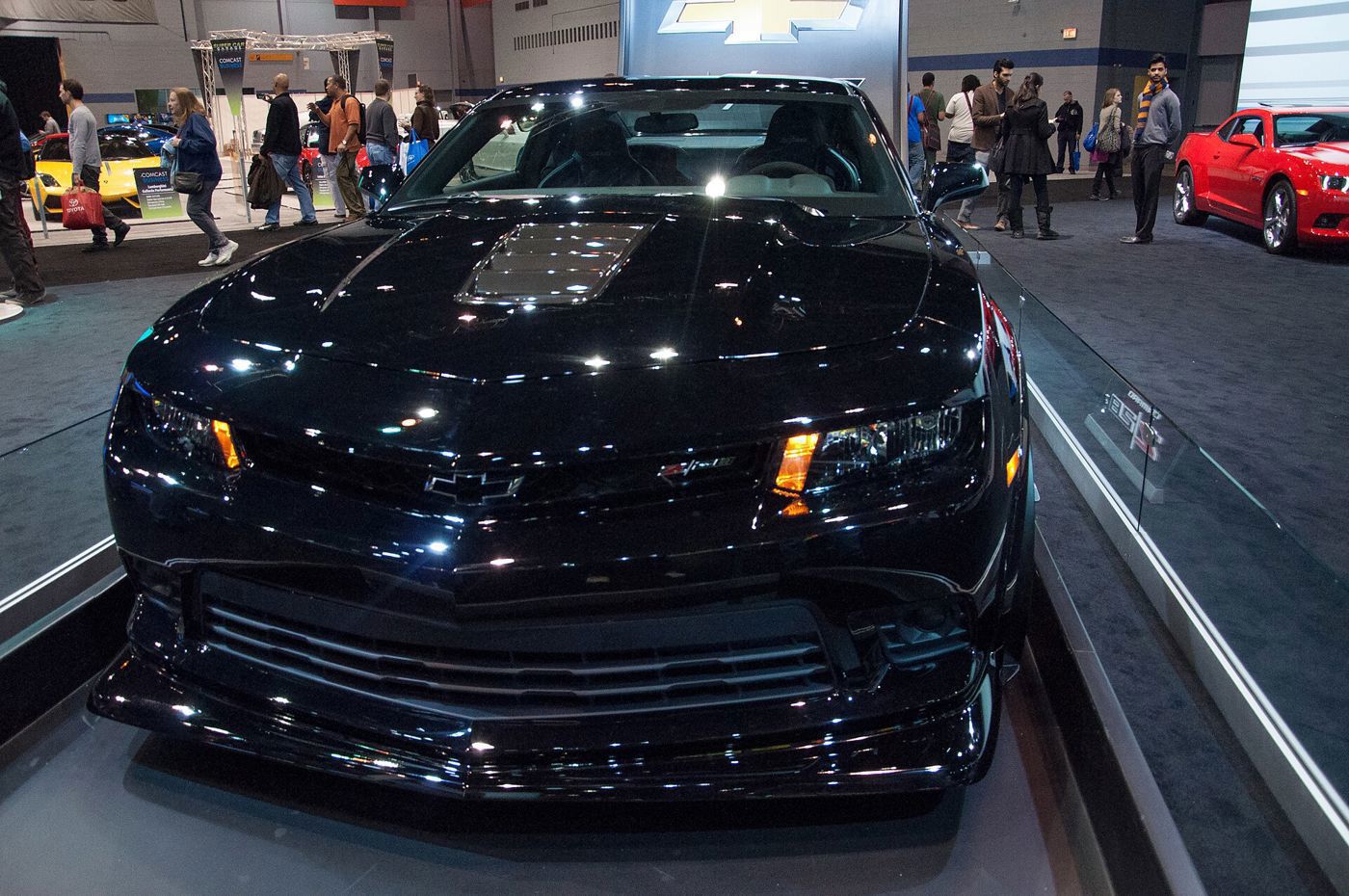
The fifth-generation Camaro Z/28 reached the Nürburgring with a naturally aspirated LS7, close-ratio TR-6060, 3.91 axle, large brakes, aerodynamic work, and an explicit effort to remove mass. The lap became a dramatic proof point because rain arrived during the run. Chevrolet’s artifacts preserve the achievement—and disagree by seven hundredths of a second about its exact time.
The 2015 U.S. brochure prints 7:37.47. GM’s technical backgrounder prints 7:37.40. Both are official artifacts. This page publishes the disagreement as part of the story rather than choosing the prettier number or rounding them into false agreement. A seven-hundredth difference does not erase the lap, but it reveals why even famous official times need source and locator.
The time also requires method context. A Nürburgring lap depends on course configuration, timing points, driver, weather, tires, vehicle state, traffic, and procedure. The GM materials establish their claim; a complete event dossier should identify those fields before the page compares it to another manufacturer’s lap. “Faster” is meaningful only when the observations ask sufficiently similar questions.
The rain gives the scene tension without inviting fiction. If Chevrolet’s record describes where precipitation appeared, that attributed detail can enter. The page should not invent visibility, steering corrections, radio conversation, or a driver’s private judgment. The official video and firsthand account, licensed and cited appropriately, can later carry sensation that a technical backgrounder cannot.
Street configuration stays clear. The Z/28 used an LS7 7.0-liter V-8 at 505 horsepower and 481 pound-feet, close-ratio six-speed manual, and 3.91 axle. It receives one row because no automatic was offered in the supported artifact. The lap car’s exact production relationship still needs documentation; the selector publishes the showroom configuration, not an assumed test setup.
Placed beside Camaro SS and ZL1, Z/28 shows why horsepower cannot select a universal winner. Manual SS carries 426 horsepower; automatic SS carries 400 through a different engine identity. ZL1 carries 580 supercharged horsepower with manual or automatic choices. Z/28 carries less advertised power than ZL1 but a different mass, brake, tire, aero, cooling, and track-purpose argument.
Those component claims must remain source-bound. Carbon-ceramic brakes, aero treatment, tires, and weight-reduction measures can be described where the GM backgrounder gives exact scope. A surviving car’s modifications or an enthusiast checklist cannot stand in for factory configuration. Nor can a track time prove the output of its engine.
The Z/28 name brings ancestor history into view, but the 2015 car belongs to its own regulatory and engineering world. A link to earlier Camaro racing history can explain why the badge mattered. It should not imply parts continuity or make a modern Nürburgring lap comparable to a Trans-Am result. Names carry narrative; specifications carry identity.
Camaro Facts provides the right model-specific reciprocal route. This page can link to Camaro Facts’ 2015 year page, while that year page can eventually return readers to the wet-lap story and exact cross-marque selector. The relationship is contextual, not a footer, and the sibling site is navigation rather than evidence.
The model year was also a finale for the fifth-generation form before the next Camaro architecture. That fact gives the lap narrative an ending without making it a documentary chronology. Chevrolet had developed the generation from V6 and SS through ZL1 and Z/28, then used a difficult circuit and changing weather to dramatize the most track-focused factory configuration.
Racing and street categories still require care. Nürburgring testing of a street configuration is not a sanctioned race result, and Z/28 should not be placed in the Factory Stock race-car branch. The lap is a manufacturer performance observation. NHRA results, independent road tests, and later owner laps are separate observations with their own vehicles and methods.
The ideal visual might be the wet lap, its tires throwing spray, but Chevrolet or another rights holder controls the footage and frames. Online manufacturer display does not grant reuse. The private media review needs creator, source, exact car and lap, holder, license, crop, credit, and commercial terms. A screenshot from video carries its own rights questions.
Credible disagreement should remain easy for the reader to find without citation clutter. The story explains 7:37.47 versus 7:37.40 in the narrative and uses a concise reference section. It does not attach a footnote to every adjective. If the page eventually requires more than eight sources, the complete bibliography moves to a dedicated reference page under the publication contract.
The wet lap ultimately matters because it concentrates engineering choices into a consequential attempt. LS7, gearing, mass reduction, brakes, tires, aero, cooling, driver, and weather met on one circuit. The official papers then recorded the outcome differently by 0.07 second. The discrepancy does not undermine the story; it makes the evidence human and visible.
The page ends without declaring Z/28 the best 2015 Camaro or best American car. It was the configuration Chevrolet aimed at this task, and the Nürburgring run is one manufacturer observation of that aim. Readers can compare Z/28 with ZL1, GT350, Hellcat, or any earlier configuration while keeping purpose and measurement beside the numbers.
The lap also demonstrates why a performance result needs its tested configuration written out. Tire specification, alignment, fluids, software, safety equipment, and any non-retail preparation can materially affect interpretation. A factory statement that the car represented production specification should be quoted and scoped; it should not be assumed merely because the body and badge match.
Later laps by owners, magazines, or manufacturers belong as independent observations. They may use resurfaced track sections, different weather, another tire generation, or revised timing methods. The database can preserve all of them without turning the smallest time into the only truth. Each result answers what that car did under its stated conditions.
People behind the attempt need role evidence too. Driver, vehicle-dynamics engineers, tire and brake specialists, aerodynamicists, mechanics, data engineers, and video crew each contributed differently. The first release avoids crediting a single executive or unnamed “Camaro team” with every decision. GM records and attributed interviews can gradually supply the human chain.