People · Engineering · Buick GNX calibration
The Calibration Buick Chose Not to Sell
A calibration aggressive enough to be called the grenade chip, rejected before it reached a customer — and what that decision says about the GNX.
Story reviewed July 27, 2026
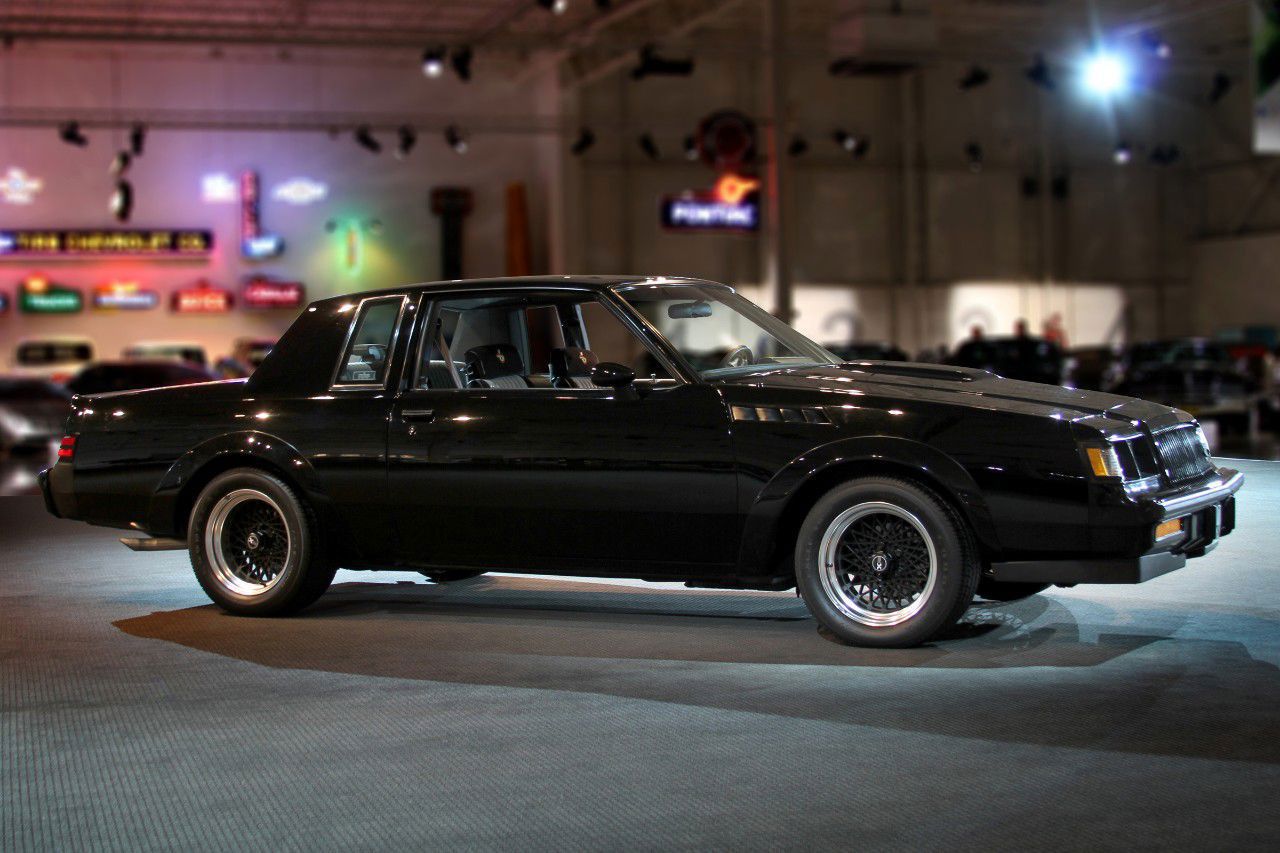
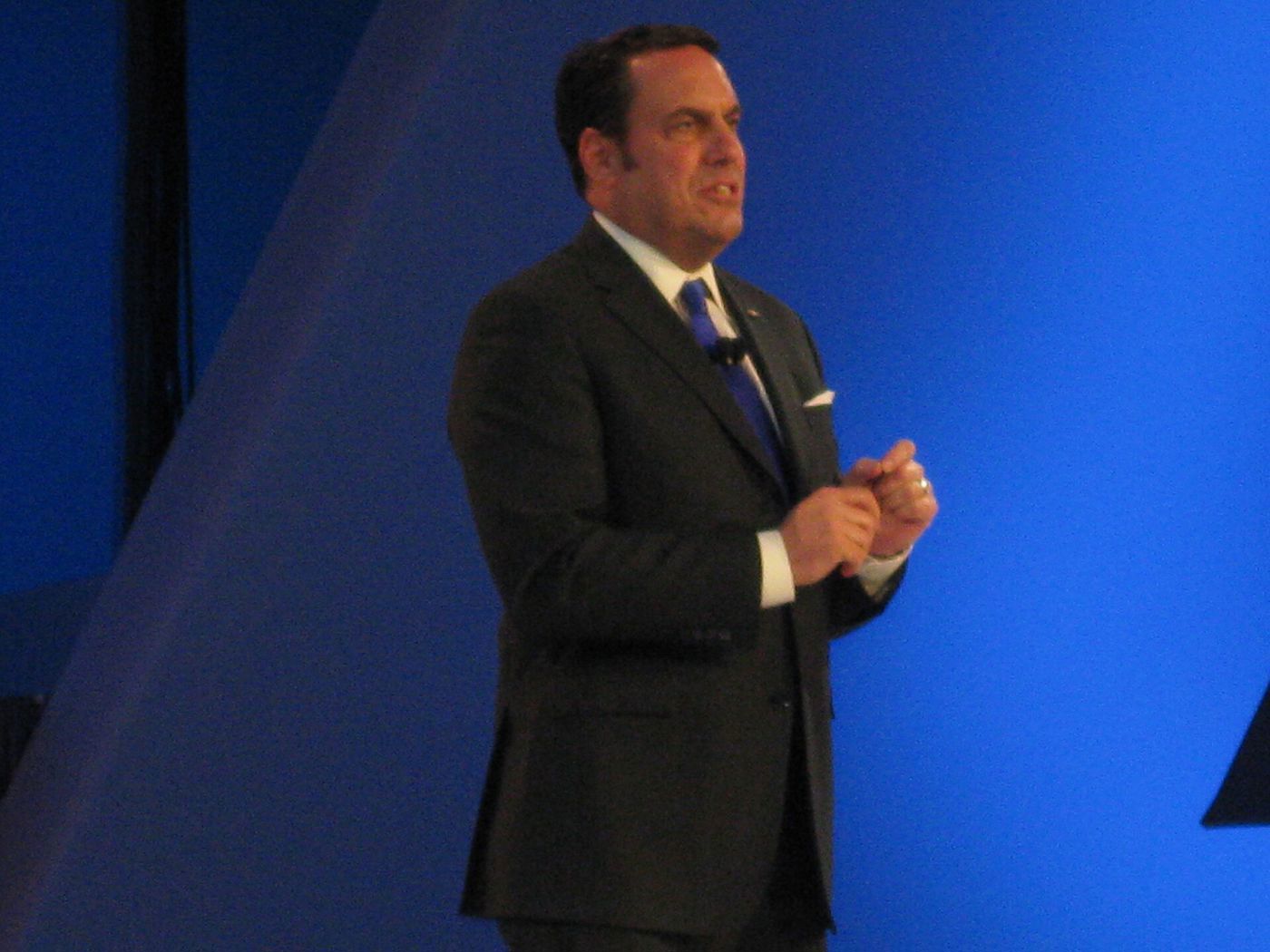
After hours at Firebird International Raceway near Mesa, Arizona, a young General Motors engineer and an electronics specialist kept working with a Buick that represented the coming GNX. Mark Reuss remembers James “Gabe” Poplawski bringing an aggressive calibration that made the car startlingly quick. They called it the “grenade chip,” a nickname that captured both the thrill and the problem. In Reuss’s account, the calibration would not survive the durability cycle expected of a customer car. The memorable part of the evening was not simply that the Buick could run harder. It was that the faster setting was rejected.
That decision makes a better entrance to the GNX than a list of famous acceleration claims. It shows engineers standing between a dramatic demonstration and a product someone would own, maintain, and trust. A development surrogate can carry experimental software that no customer car receives. A pass made with that software can reveal potential without becoming an advertised specification. The rejected calibration therefore belongs in the history, but it cannot be used to say that delivered GNXs carried the “grenade chip” or to replace Buick’s published output with a guessed higher number.
Reuss was new to General Motors in 1986, but the Buick performance story around him was already the work of many people and several organizations. His father, Lloyd Reuss, had helped shape Buick’s performance direction. Buick engineers had developed the turbocharged Regal program over multiple model years. Poplawski brought specialized electronic knowledge to the calibration work. ASC Inc. and McLaren Engines participated in turning the Grand National foundation into the limited GNX program. Telling the story through Mark’s recollection should not collapse that chain into a single-author myth.
The base car matters because “GNX” did not appear from an empty shop floor. Buick’s factory literature advertised the intercooled LC2 3.8-liter turbo V-6 in the Grand National context at 245 horsepower and 355 pound-feet of torque. The WE4 Turbo T used the same advertised output in a different package identity. General Motors’ retrospective describes GNX as derived from the Grand National and completed with ASC and McLaren involvement. That hierarchy—Regal, Grand National donor, specialized GNX program—is more useful than treating every black turbo Regal as the same machine.
General Motors directly reports that 547 GNXs were built for the 1987 model year. That total and the program relationship are ready for publication because the institutional account states them plainly. The technical delta is not yet equally secure. The retrospective compresses its component description in ways that can blur what was already present on a Grand National and what the GNX program changed. A durable parts table needs the Buick performance book plus ASC and McLaren engineering records, each tied to exact pages. Until those arrive, this story keeps the technical description at the level the evidence supports.
The familiar rating of 276 horsepower and 360 pound-feet is held for the same reason. It is repeated so often that omitting it may initially look perverse, but popularity is not a locator. The released comparison needs a factory project document that puts the number beside the completed GNX configuration and identifies its standard. Buick’s 245-and-355 engine brochure supports the Grand National and WE4 rows; it does not automatically support GNX. The site records the desired GNX source instead of borrowing certainty from a neighboring model.
That distinction also protects the story from the recurring claim that Buick deliberately “underrated” the cars. Period acceleration results, later dynamometer measurements, and modern estimates can all become useful evidence when their test cars, equipment, conditions, correction methods, and pages are documented. They are different observation classes. A quick elapsed time may prompt an engineering question, but it does not itself rewrite an advertised engine rating. The historical question is not whether enthusiasts felt the car was stronger. It is what Buick claimed, what a particular test observed, and how each conclusion was reached.
Back at the track, the rejected chip gives those dry categories a human shape. Development exists to find limits, and a durable product is partly defined by which limits the team chooses not to approach. The aggressive calibration could be real, effective, and unacceptable at the same time. Reuss’s memory does not require invented dialogue or a fictional countdown. The choice already contains tension: keep the pass that delivers the better story today, or keep the margin that makes the car defensible after thousands of customer miles.
Poplawski’s role matters especially because software and electronic calibration can disappear behind a famous badge. The turbo Regal was not only an engine, turbocharger, and body package; it depended on sensing, fuel delivery, spark control, boost strategy, thermal protection, and judgments about abnormal operation. Yet this page should not attribute a specific production table or algorithm to Poplawski without records establishing his role. The account names the remembered collaborator and the episode, then leaves the detailed authorship map open for engineering documents and oral history.
ASC and McLaren require similar care. Their involvement makes GNX a factory-authorized post-assembly specialty rather than an independent street conversion, but the exact handoff, component responsibilities, completion process, and acceptance testing need contemporary documentation. A logo, later recollection, or surviving-car inspection cannot by itself establish what every one of the 547 received. The program’s organizational boundary is clear enough to tell. Its complete bill of materials remains an acquisition target, openly labeled rather than filled with retrospective folklore.
The GNX also sits beside other 1987 specialty stories without becoming their template. Saleen Mustangs were independent specialty conversions with their own serial and order evidence. Shelby Automobiles converted Dodge-supplied front-drive Chargers into serialized GLH-S models through another relationship. ASC’s convertible work for Camaro and Firebird raises separate questions about bodies, codes, accounting, and completion. “Converted after assembly” is not one provenance category. Who authorized the work, who warranted it, and which records followed the car all matter.
For a reader comparing showroom cars, the safe route is deliberately modest. The selector includes the Grand National LC2 automatic and WE4 Turbo T LC2 automatic at Buick’s supported ratings. It describes GNX program identity and the 547 total in this story, but it does not offer an output-based GNX comparison until the correct project evidence is acquired. That prevents an unsupported number from winning a chart simply because it is famous. It also makes the future addition stronger: the GNX row will arrive with its evidence, not merely its reputation.
The most important surviving image may ultimately be conceptual: two calibrations, one faster, one fit for production, with the latter chosen. That is not a story about timid engineering. It is a story about the difference between proving capability and accepting responsibility for a car. The GNX earned its place without needing the abandoned tune attached to customer vehicles. Reuss’s remembered night at the drag strip reveals how much of a celebrated performance car is defined by disciplined refusal.
The final lesson reaches beyond Buick. A specialty car’s history must preserve donor, authorizing manufacturer, conversion partners, delivered specification, experimental states, and later measurements as distinct layers. When those layers merge, a development pass becomes a production claim and a repeated estimate becomes a factory number. When they remain separate, the “grenade chip” becomes more interesting, not less: it marks the moment the team saw an enticing result and chose the car that had to live beyond it.