Racing · Pontiac Motor Division · 1963–1964
Pontiac After the Racing Policy: Performance Changed Channels
A cancelled Super Duty order book, a reaffirmed racing ban, and a division that moved its performance argument from the track to the showroom.
Story reviewed July 27, 2026
At 3:45 p.m. on January 24, 1963, a Pontiac Motor Division bulletin told zone distributors that new orders for 389 and 421 Super Duty engines were canceled effective that day. It also said the 421 HO remained available and asked distributors to advise dealers who normally handled the business verbally. The surviving page is narrow and precise. It proves a divisional cancellation. It does not contain the broader General Motors directive, explain the motive, or demonstrate that every indirect performance channel stopped.
That boundary matters because the bulletin is often treated as the entire “1963 racing ban.” GM chairman Frederic Donner’s 1965 congressional testimony supplies a broader but different artifact. He said the Automobile Manufacturers Association adopted a June 1957 resolution recommending that members avoid racing participation and racing or speed references in promotion, that GM incorporated those provisions into its own policy, and that the company continued to follow their spirit. This proves stated corporate policy, not perfect behavior by every division, dealer, contractor, or participant.
Jim Wangers remembered a January 1963 corporate memo ordering divisions to end factory support and connected the decision to concern that GM’s market share could invite antitrust action. The corporate artifact he described has not been acquired. His memory belongs in the story because it explains how a participant understood Pontiac’s crisis, but it cannot supply missing wording, authorship, recipients, or a single definitive motive. The Pontiac bulletin corroborates one immediate action, not the full memo.
Pontiac had something substantial to lose. NHRA’s history of the 421 Super Duty program preserves a 1961 Pontiac announcement offering high-performance engines to qualified drivers and a National Dragster excerpt documenting Hayden Proffitt’s Pomona result. Semon “Bunkie” Knudsen had used competition to change Pontiac’s public identity. NASCAR’s championship register shows Joe Weatherly winning the 1962 and 1963 titles in Pontiac. Parts, engineering, drivers, dealers, and publicity formed an ecosystem, not simply a line in an advertisement.
The official NASCAR sequence changes in 1964, when Richard Petty won the championship in Plymouth. That table makes the transition visible but does not prove its cause. Manufacturer choices, team contracts, new engines, rules, and driver decisions all mattered. The page resists turning adjacent dates into a causal equation. It places results beside policy and participant memory while identifying what each source can actually establish.
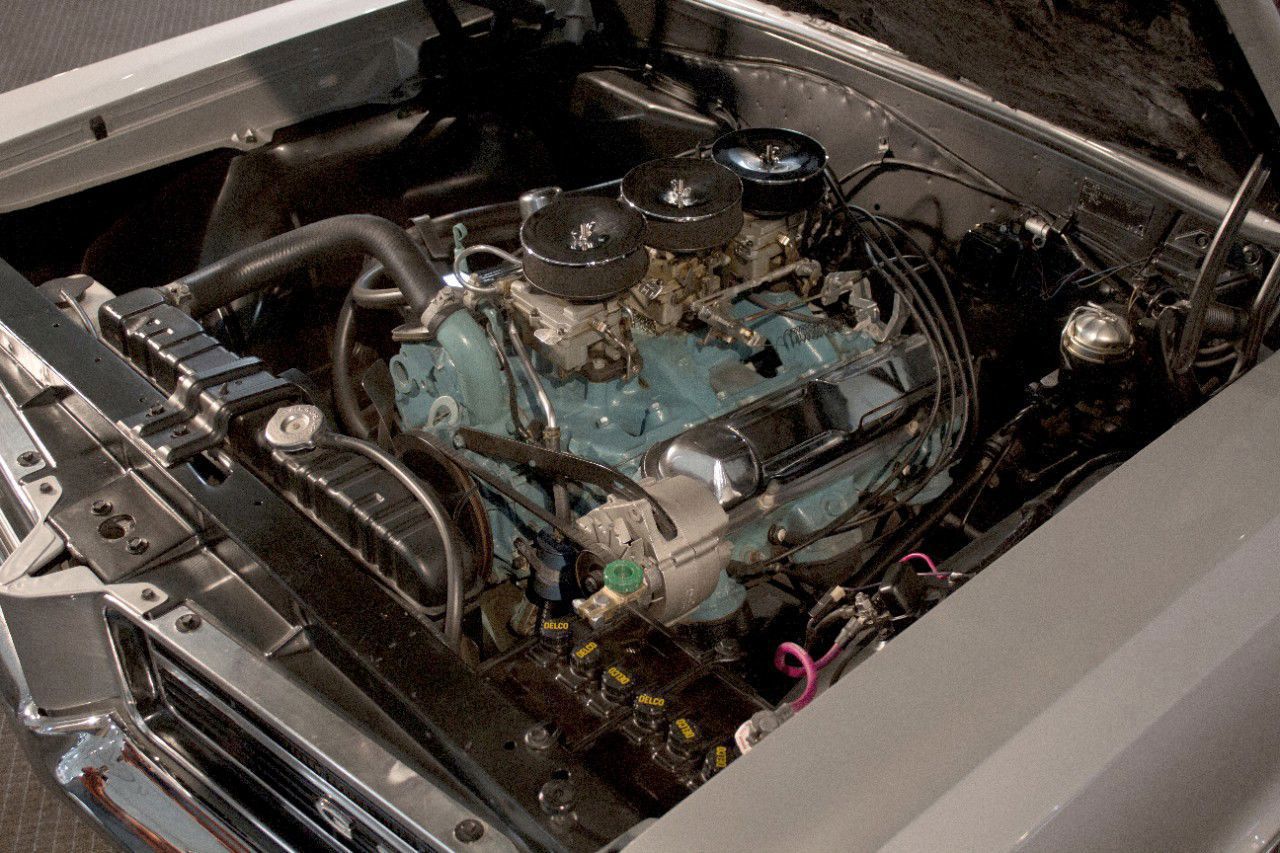
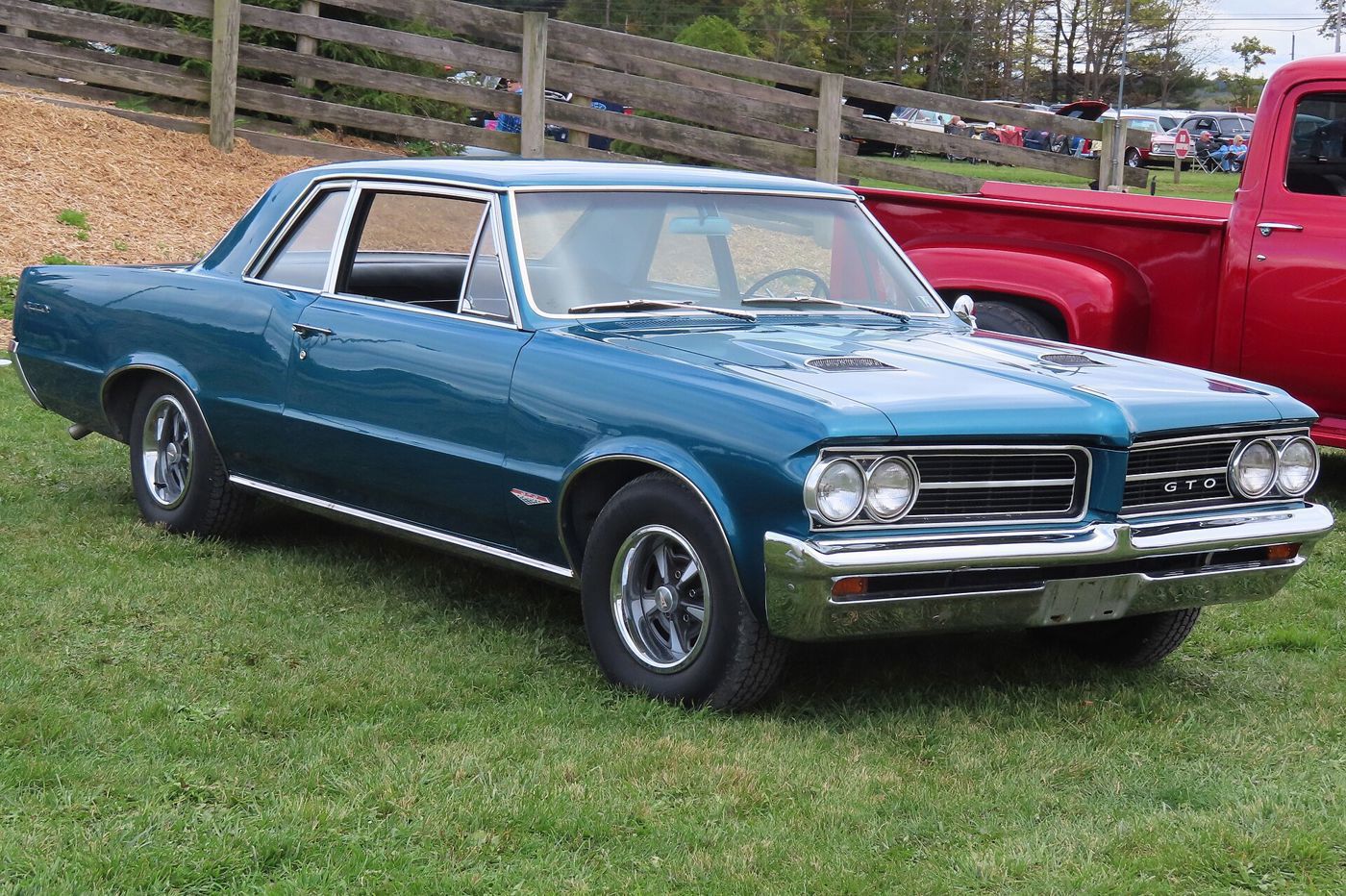
The GTO shows how Pontiac’s performance message changed channels. Its April 1964 brochure described a street car in terms that sounded almost like a warning: firm suspension, audible dual exhaust, fuel economy compromises, and enough power to make traction uncertain. Options included a Hurst-shifted four-speed, limited-slip differential, metallic brake linings, cooling, handling hardware, and mechanical Tri-Power linkage. The division could sell the experience directly to a customer even when overt factory racing carried corporate risk.
Royal Pontiac appears in Wangers’s oral history as an intermediary. He remembered the dealer preparing press cars and supplying a proxy through which performance knowledge could reach journalists and enthusiasts. He also described factory involvement that was less direct than a visible race team. Those recollections are not treated as work orders. They show a channel worthy of investigation, while exact preparation of any test car remains unresolved until manifests, invoices, engine numbers, or correspondence are found.
The Car and Driver feature made the channel spectacular. Wangers helped create a fictional comparison between Pontiac’s GTO and Ferrari’s, and the current magazine archive now labels it that way. The stunt translated competition identity into a media argument rather than a sanctioned race. It also generated the enduring allegation that the test Pontiacs used 421 engines. This story tells the allegation and the missing evidence instead of choosing innocence or guilt from repetition.
FIA homologation form 180 adds an unexpected coda. Pontiac certified the Tempest Le Mans GTO for Group GT effective July 13, 1964, documenting its basic specification and alternate induction. Homologation did not mean Pontiac had resumed a works road-racing program. It did mean the borrowed GTO language eventually corresponded to a real sanctioning record. Street positioning, provocative naming, and formal recognition coexisted in a more complicated relationship than “fake Ferrari badge.”
The policy story also intersects Corvette without absorbing it. VetteFacts’ 1964 Corvette page follows Chevrolet’s sports car inside the same corporation-wide policy environment. Corvette remained a performance product and appeared in competition through channels whose precise relationship to factory support requires its own evidence. The link lets readers compare divisional responses while keeping Corvette outside this vehicle corpus.
Calling this a ban that ended racing would therefore be too simple. A divisional engine program was canceled, GM publicly described adherence to a restrictive policy, and Pontiac’s visible competition ecosystem changed. At the same time, engineers built a powerful intermediate, dealers and marketers created indirect channels, journalists staged provocative tests, and FIA homologation followed. Performance did not vanish. Its institutional location shifted from overt factory contest toward production options, dealers, press cars, customer identity, and selective sanctioning paperwork.
That interpretation remains open to revision if the missing 1963 corporate directive appears. Its exact author, recipients, attachments, and language could clarify timing and motive, or show that later memories compressed several decisions into one. The current story has been structured so a new document can refine the policy layer without erasing the separately supported Pontiac bulletin, GM testimony, brochure, and FIA record.
That shift is the page’s narrative result. Corporate policy is not merely background to the GTO; it explains why selling the car became as important as building it. Yet the story remains evidence-bounded: no missing memo is quoted, antitrust is attributed to Wangers, indirect support is remembered rather than universally proven, and the 421 allegation stays open. Pontiac’s 1964 response becomes more interesting when the gaps are visible, because readers can see a company navigating rules instead of watching a legend effortlessly defeat them.