Stories · 2004 · cross-marque
The Last Mustang Model Year at Dearborn
The last Mustang model year built at Dearborn, and what the plant's closure actually did and did not mean for the car.
Story reviewed July 27, 2026
The final 2004-model Mustangs moved along Dearborn Assembly carrying a continuity no later Mustang could repeat. Ford’s milestone record says the plant had produced Mustang in every model year since the car began, and that the 2004 cars were the last built there. The next generation would come from Flat Rock. The model continued, but the forty-model-year relationship between one name and one assembly place ended.
This scene remains intentionally spare because the records still needed are human ones. An exact final-build date, final VIN, shift, worker names, plant newspaper, UAW Local 600 account, and oral histories should establish who was there and what the transition meant. A generic image of an assembly line cannot supply those facts. The page begins with what Ford supports and treats the missing names as an acquisition obligation.
Dearborn’s ending makes more sense beside a threatened ending in 1992. The Henry Ford’s Rouge history says Mustang and Dearborn Assembly faced elimination. UAW Local 600 and Ford North American president Alex Trotman worked around “Save the Mustang” and “Save the Rouge,” leading toward a modern operating agreement and investment. That episode kept both product and place in motion long enough to reach 2004.
The survival story should not become a lone-savior tale. Union members, plant leadership, corporate executives, product planners, engineers, suppliers, and customers occupied different parts of the decision. The acquired source identifies Local 600 and Trotman at institutional level but does not establish every negotiation or idea. Further archives can distribute credit accurately instead of turning a complicated agreement into one person’s heroic speech.
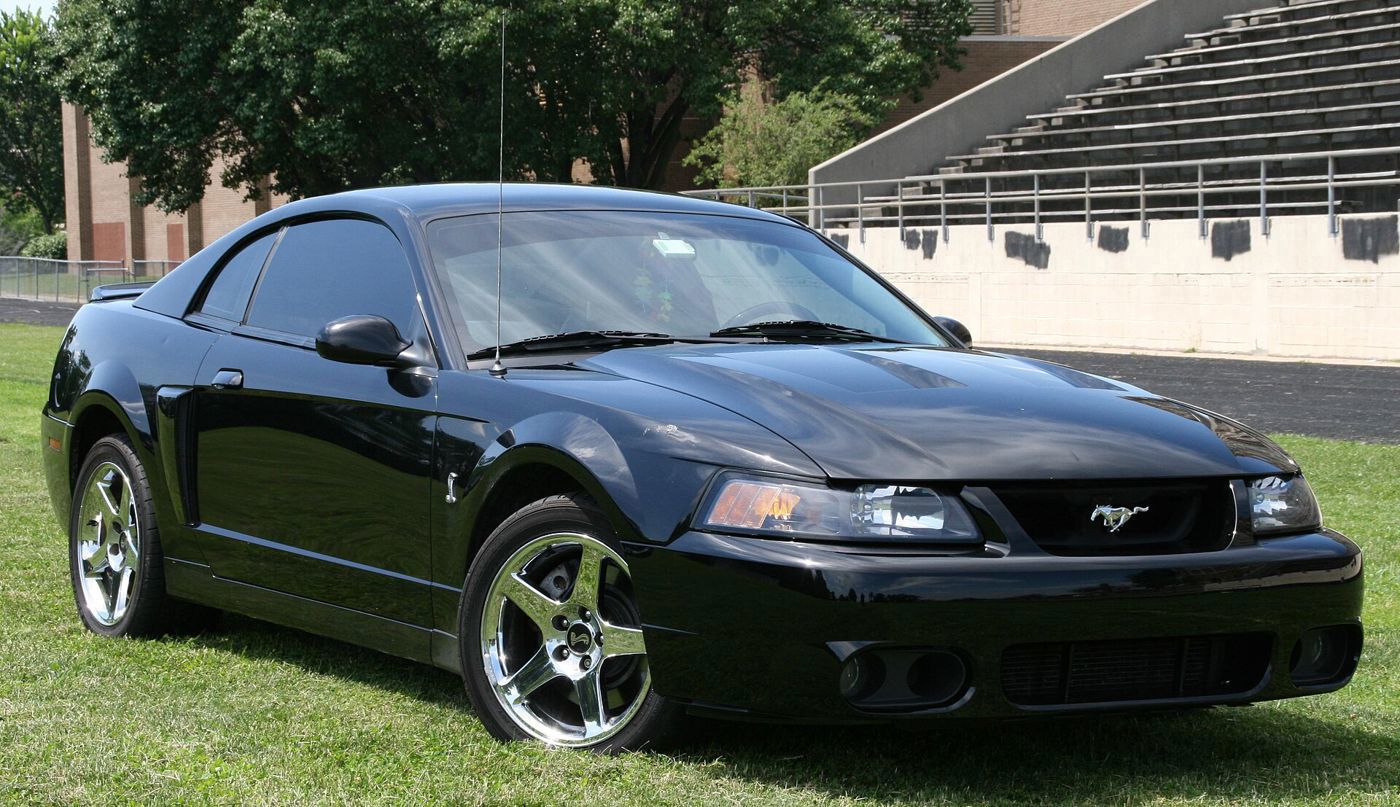
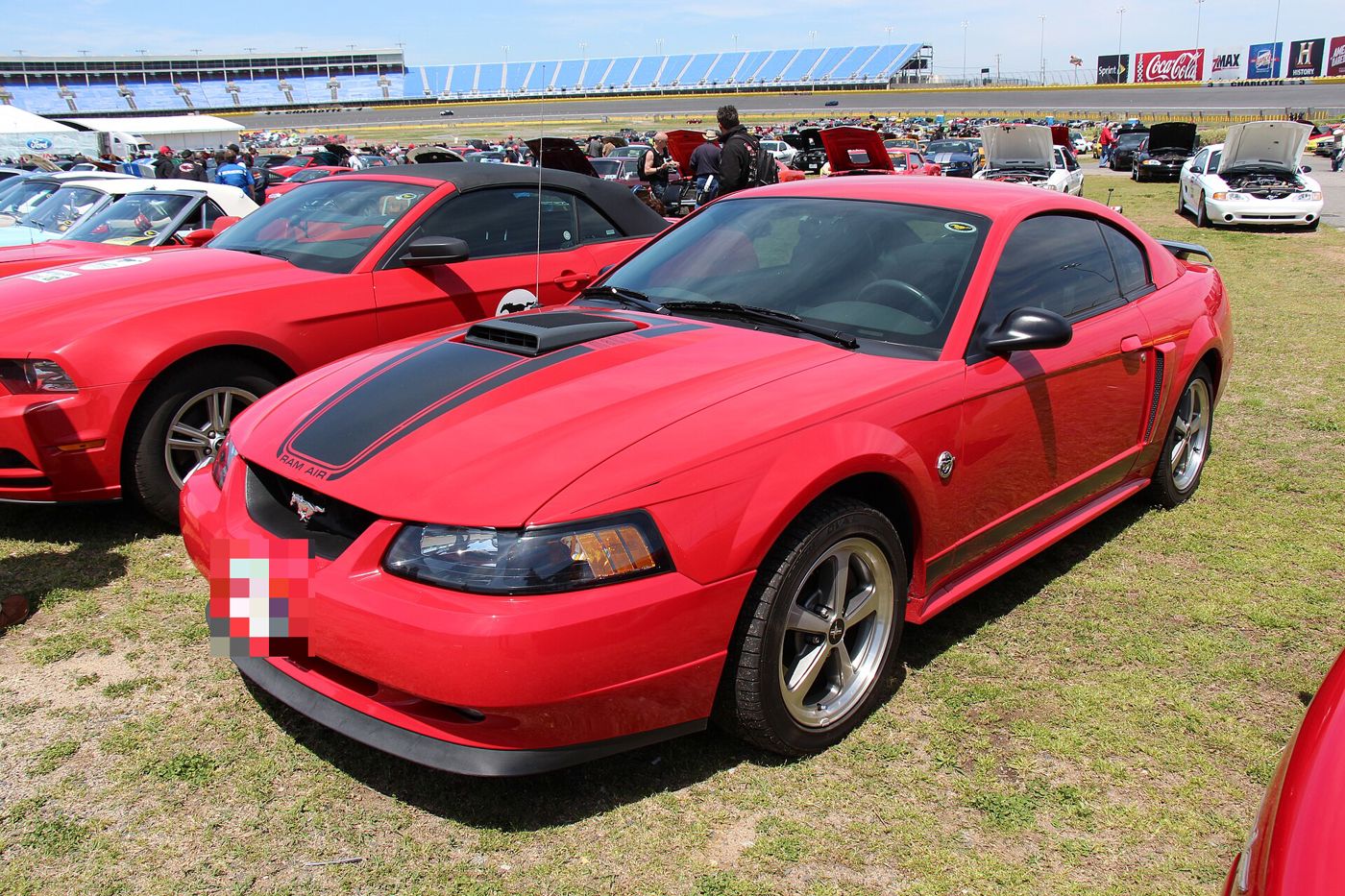
The cars leaving Dearborn in 2004 were not one configuration. A GT coupe’s 4.6-liter SOHC V-8 was advertised at 260 horsepower. Mach 1’s naturally aspirated DOHC engine was 305, with separate manual and automatic identities. SVT Cobra’s supercharged and intercooled DOHC engine was 390. A plant story that calls them all “the last Mustang” needs the selector beside it so shared assembly does not erase mechanical differences.
Ford also says its 300-millionth car was a 2004 Mustang GT convertible with the 40th Anniversary package. That milestone is a separate vehicle fact, not evidence that the car was the final Dearborn Mustang. Anniversary badging also appeared broadly, while the optional 40th Anniversary Package had its own equipment identity. The site holds package counts and refuses to turn every 2004 car into a limited edition.
The distinction between model year and calendar date matters here as much as it does elsewhere in the catalog. “Last 2004-model Mustang” identifies a production cohort, not necessarily the last Mustang completed in calendar 2004. Flat Rock’s next-generation preparation follows another chronology. The final-build record must specify exactly which boundary it describes before a date or VIN appears in the public narrative.
Dearborn was not simply a backdrop. Assembly location affects labor, logistics, quality systems, supplier relationships, and local identity, even when a specification sheet focuses on horsepower. The move to Flat Rock changed the system producing Mustang while Ford carried the name forward. A responsible story will eventually show what work moved, what work ended, and how employees encountered that transition, using records rather than sentimental assumption.
The Australian-built Pontiac GTO makes an illuminating same-year contrast. Pontiac revived an American badge with a coupe assembled by Holden at Elizabeth, Australia. Mustang closed a forty-year chapter at an American plant while GTO widened the geographic meaning of an American-brand performance car. Neither fact alone decides authenticity. Both show why assembly origin belongs visibly beside brand, engineering, and market.
The comparison should therefore expose provenance without turning it into a score. A Dearborn-built Mustang GT is not automatically superior to an Elizabeth-built GTO, nor does a shared national brand erase the work done elsewhere. Readers can compare the exact cars while the stories explain how production networks and labor histories shaped them. “American muscle” becomes a historical category to investigate, not a customs stamp.
The departure also separates continuity of product from continuity of institution. Mustang survived the 1992 threat and survived leaving Dearborn. Workers and the plant did not experience those outcomes identically. A corporate milestone may celebrate uninterrupted model years; a labor history may emphasize agreements, job change, and place. Both perspectives can enter once sources identify speakers and scope, without the page pretending one institutional memory speaks for everyone.
Reciprocal linking belongs at that exact intersection. Mustang Facts’ 2004 page can send readers here when discussing Dearborn and the three V-8 choices, while this page returns to its model-year detail. The cross-link is contextual, not a network footer. Existing uncommitted work in the Mustang repository must remain untouched until its owner changes are clear enough for a separately reviewed edit.
The desired photographs require equally careful provenance: the actual final-build sequence, named workers, or a documented line view from the 2004 transition. Ford Archives, the Benson Ford Research Center, and UAW Local 600 are leads. No contact has been authorized. Any review derivative belongs outside Git, marked for licensing review, with creator, source, rights holder, date, depiction, proposed use, and credit recorded.
Until those human records arrive, the page refuses a documentary voice that claims to know how the line sounded or how workers felt. The institutional facts already carry weight: every Mustang model year had come through Dearborn; a prior coalition had fought to preserve Mustang and Rouge work; after 2004, Mustang assembly would move. Silence around an unverified final moment is more respectful than fictional nostalgia.
The story ends with continuation and loss held together. A new Mustang was coming, and the brand would celebrate it. Dearborn’s unique run was still over. Exact configurations keep the last cars from becoming one faceless commemorative object, while labor and plant research will eventually keep the people from becoming faceless background. Forty model years are not just a product streak; they are repeated acts of work in a particular place.