Stories · 2010 · cross-marque
A Sketch Arrives with the First Mopar-Branded Production Special
A sketch became the first Mopar-branded production special, which makes it a useful test of where a brand ends and a vehicle configuration begins.
Story reviewed July 27, 2026
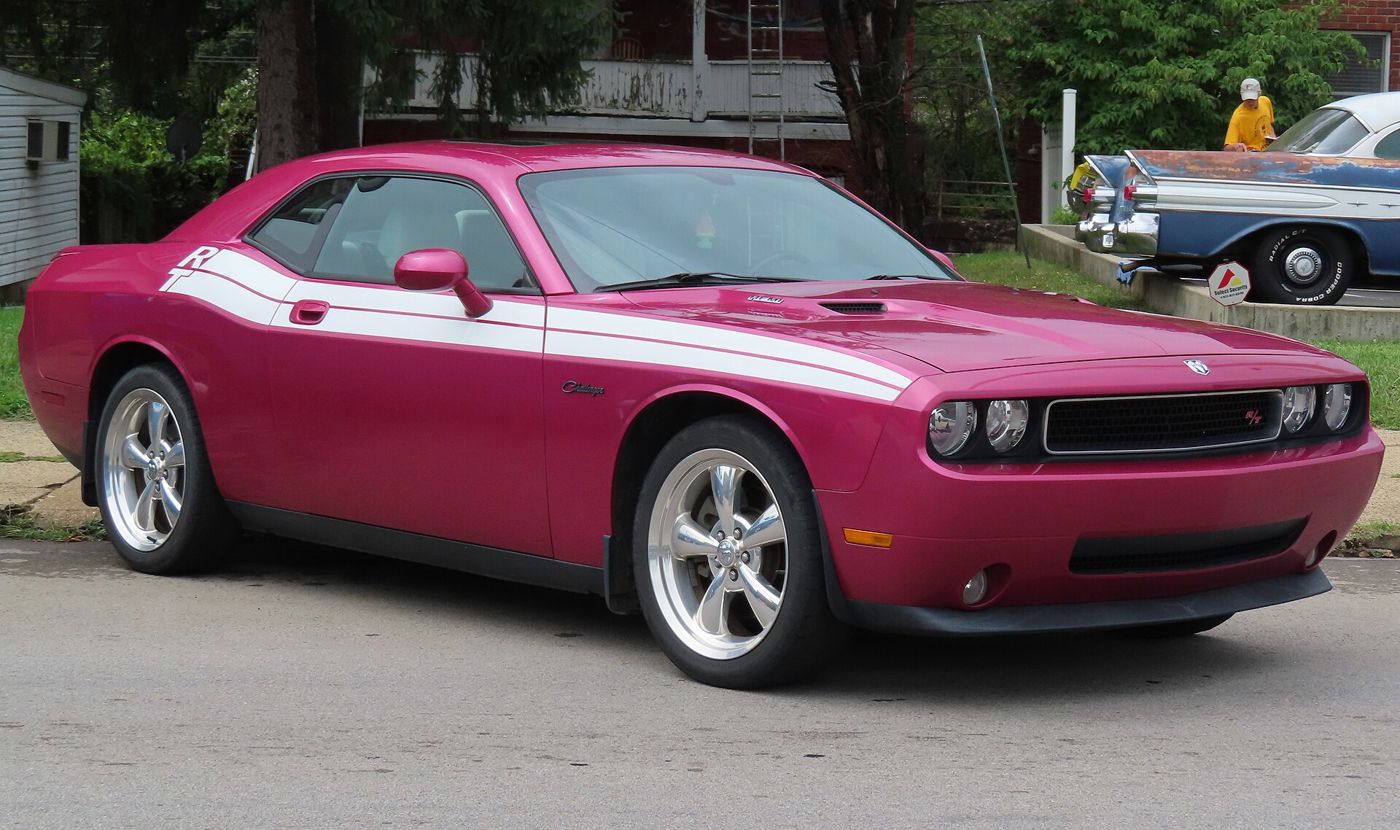
The Mopar ’10 Challenger came with a serialized owner kit and a sketch by Mark Trostle. Those objects make a better opening than an imaginary executive meeting. A numbered package tells an owner this car belongs to a defined program; an artist’s sketch connects the delivered object to people who shaped its appearance. Chrysler’s release documents both, along with the larger claim that this was the first Mopar-branded production special.
Pietro Gorlier, Ralph Gilles, Trostle, Dodge, and Mopar occupy different roles in the institutional account. One led Mopar, another guided design, another created the included artwork, while corporate, engineering, manufacturing, parts, and dealer systems completed the program. The story preserves those roles instead of making the most recognizable leader the sole creator of a car that required coordinated work.
The phrase “Mopar modified” defines a provenance boundary. The special began with Challenger R/T identity and received a cold-air intake, braces, a vented T/A-style hood, appearance treatment, and owner materials through a factory-authorized program. It was not simply an owner-built aftermarket car. It was also not a new engine certification automatically entitled to a unique output row.
Chrysler’s release does not state a certified post-modification horsepower and torque observation. The comparison therefore keeps Mopar ’10 outside the power table rather than casually inheriting 372 from automatic R/T or 376 from the clear manual mapping. Transmission, wheel, axle, and calibration identity must be established before a configuration can borrow even the donor observation with proper qualification.
That omission is useful, not embarrassing. It teaches readers that package identity can be historically important without creating a new horsepower number. A selector should exist when a material, evidence-supported configuration can be defined; a story can exist when a program, object, and human arc are supported. The two publication forms do not need artificial symmetry.
The planned scope of 500 cars is a program claim in Chrysler’s release. It should be described as planned unless final accounting confirms completion. It does not support color/transmission breakdowns, survivor counts, or “one of N” language for an individual car. A serialized kit can authenticate program association only when matched to vehicle and records; a loose kit cannot transform another Challenger.
The owner kit also raises rights questions. Trostle’s sketch is artwork with its own creator and rights chain, while a photograph of the kit creates another copyright layer. Owning a physical kit does not necessarily grant reproduction rights. The project needs permission or applicable terms for artwork, photography, derivatives, crop, credit, and commercial editorial display before the sketch becomes a page image.
Placed beside the ordinary Challenger rows, Mopar ’10 clarifies what factory choice meant in 2010. R/T automatic and manual carried distinct advertised ratings and axles. SRT8 manual and automatic formed another pair. Mopar ’10 added a branded specialty pathway without making those underlying choices disappear. The story should eventually map donor and modification records rather than treating the specialty name as a fifth engine.
The manual R/T rating conflict remains nearby. Chrysler’s engineering guide and show release say 376 horsepower, while the retail brochure says 375. That credible disagreement belongs in the configuration narrative. It cannot be “solved” by a Mopar intake claim or enthusiast dynamometer. Post-modification measurement, if acquired, would remain a separate observation of a specific car.
Mopar’s longer history includes parts, racing, and dealer culture, but this page stays with the 2010 consequence: the name moved onto a serialized production special. Earlier heritage can explain why that mattered, using primary institutional records. Later Mopar-branded vehicles belong in the aftermath. Neither direction should turn the page into a chronology of every catalog part.
The people dimension needs additional role-specific sources. Gorlier and Gilles can speak to program and design framing where quoted by Chrysler. Trostle’s contribution is the documented sketch and design work the record assigns. Engineers, accessory developers, assembly or modification staff, suppliers, and dealer personnel should be named only when contemporary credits establish their responsibilities.
Manufacturing location also requires evidence. Challenger’s Brampton context is relevant, but the exact sequence of base assembly, Mopar modification, inspection, serialization, and delivery must come from plant and program records. A later owner’s description cannot prove the workflow for all cars. Factory-authorized specialty is a conclusion supported at program level, not a blank check for detailed process narration.
The ideal hero image might be the kit, sketch, hood, or a correctly identified completed car. Stellantis/Mopar, Trostle, the object photographer, and possibly an archive can each hold interests. Review derivatives stay outside Git, visibly marked, with exact depiction and rights metadata. No contact, permission request, or purchase occurs without owner authorization.
This evidence-led treatment lets the page retain personality. A car arrives with a numbered kit and a drawing from one of the people who shaped it; the owner receives both machine and program artifact. The drama is not fictional rarity. It is Mopar deciding its name could identify a whole serialized showroom special rather than only components surrounding someone else’s vehicle identity.
The story ends with a deliberate non-row. Mopar ’10 is documented, meaningful, and ready for narrative review, yet it waits outside the output comparison until donor and post-modification configuration evidence are complete. That is not exclusion from history. It is a demonstration that a good car-facts site can tell a full story without inventing the number a table seems to demand.
Documentation from surviving cars can later test the program record, but it must remain car-specific. A window sticker, kit number, invoice, modification label, or build record may establish one vehicle’s path; an auction description may only repeat a claim. The project should connect identifiers only when their chain is preserved and should avoid publishing owner information, plates, or private records without review.
That provenance work can eventually make the owner kit more than decoration. It can show how a branded specialty was communicated, authenticated, delivered, and remembered. Until then, Chrysler’s program release controls the broad story, while individual-car claims remain separate observations. The numbered object invites research; it does not remove the need for it.