Stories · 2010 · cross-marque
One Brampton Recipe Produces Three Different Arguments
One Brampton assembly recipe produced a Challenger, a Charger, and a 300 that argue three different cases from the same components.
Story reviewed July 27, 2026
Challenger, Charger, and Chrysler 300 moved through the same Brampton manufacturing world, but shared corporate ingredients did not produce one interchangeable performance car. The plant-floor scene still needs a dated record, named workers, creator, and licensed image before it can be described physically. The factory engineering guides already reveal the more important divergence: coupe and sedan, rear drive and all-wheel drive, manual and automatic, package and trim.
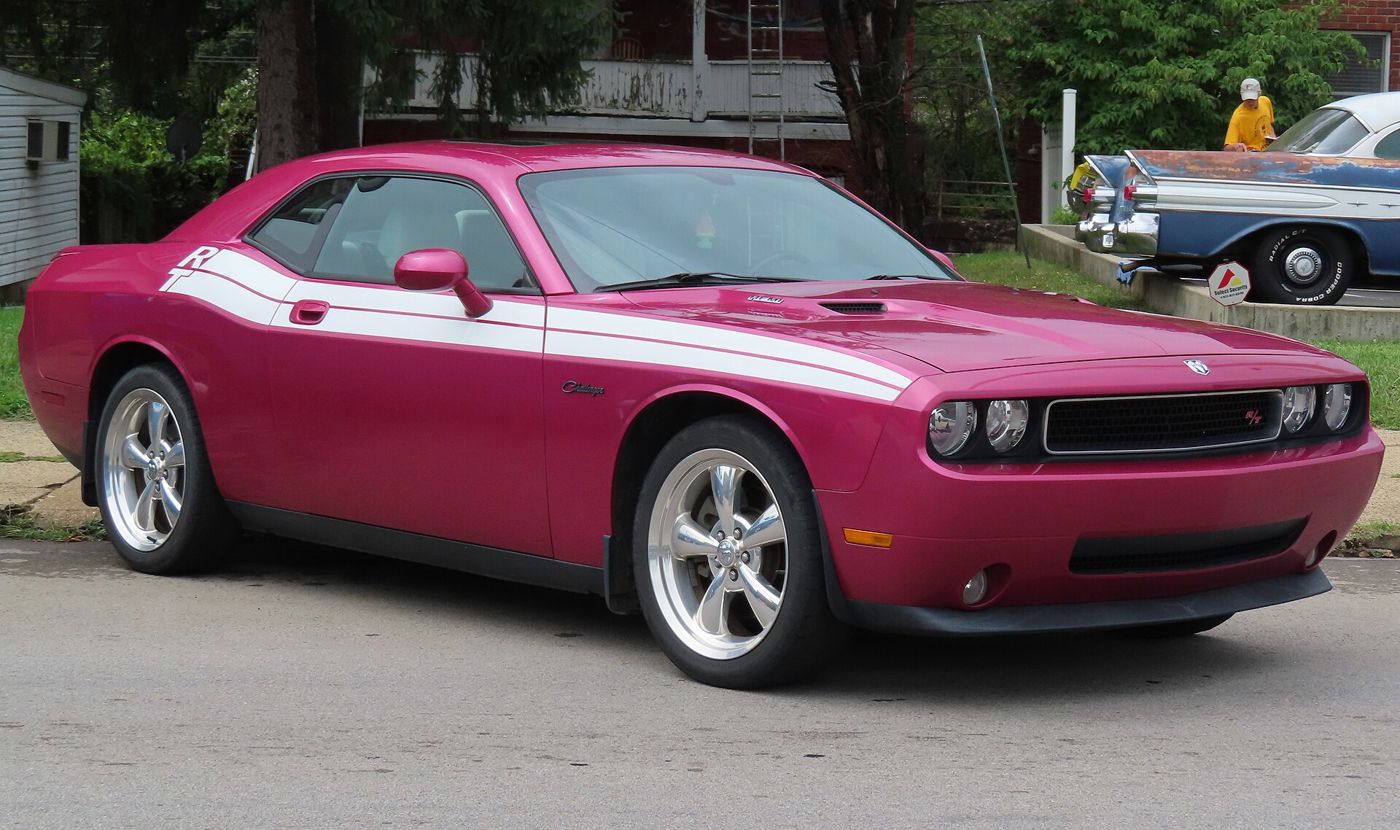
Challenger makes transmission choice conspicuous. R/T automatic uses the 5.7-liter HEMI at 372 horsepower and 400 pound-feet with a five-speed automatic and 3.06 axle. The released 18-inch manual mapping uses 376 horsepower, 410 pound-feet, a TR-6060 six-speed, and 3.73 limited-slip. Those are distinct factory observations, not one R/T row with a gearbox dropdown detached from output.
SRT8 Challenger shares 425 horsepower and 420 pound-feet across its automatic and manual rows, but transmission and axle still distinguish them. The automatic uses the W5A580 and 3.06; the manual uses TR-6060 and 3.91. A held manual 20-inch/Track Pak mapping contains a 3.91-versus-3.92 disagreement within Chrysler’s guide. The site preserves both locators and waits for order-code evidence.
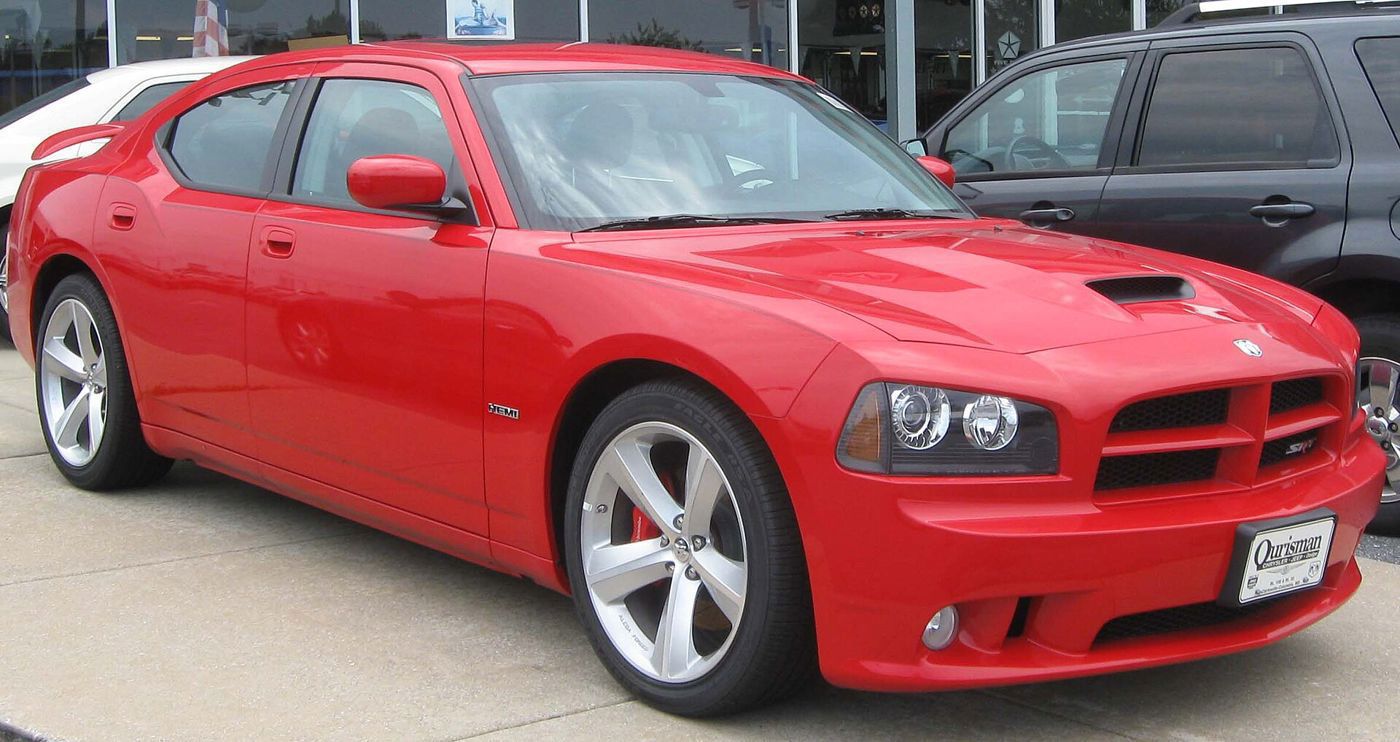
Charger turns the related 5.7-liter formula into four-door choices. R/T rear-wheel drive is 368 horsepower and 395 pound-feet with a 2.65 axle. R/T all-wheel drive keeps that advertised output while using a 3.06 mapping. Road/Track Performance Group raises the documented observation to 372 and 400 with rear drive and 3.06. The group remains an option identity, not a fabricated standalone trim.
Charger SRT8 uses the 6.1-liter HEMI at 425 horsepower and 420 pound-feet through an automatic and 3.06 axle. Unlike Challenger, the inspected Charger evidence does not create a supported manual SRT8 row. The comparison publishes what the factory artifact establishes, even when family menus are uneven. Missing symmetry is often the most accurate shape of a catalog.
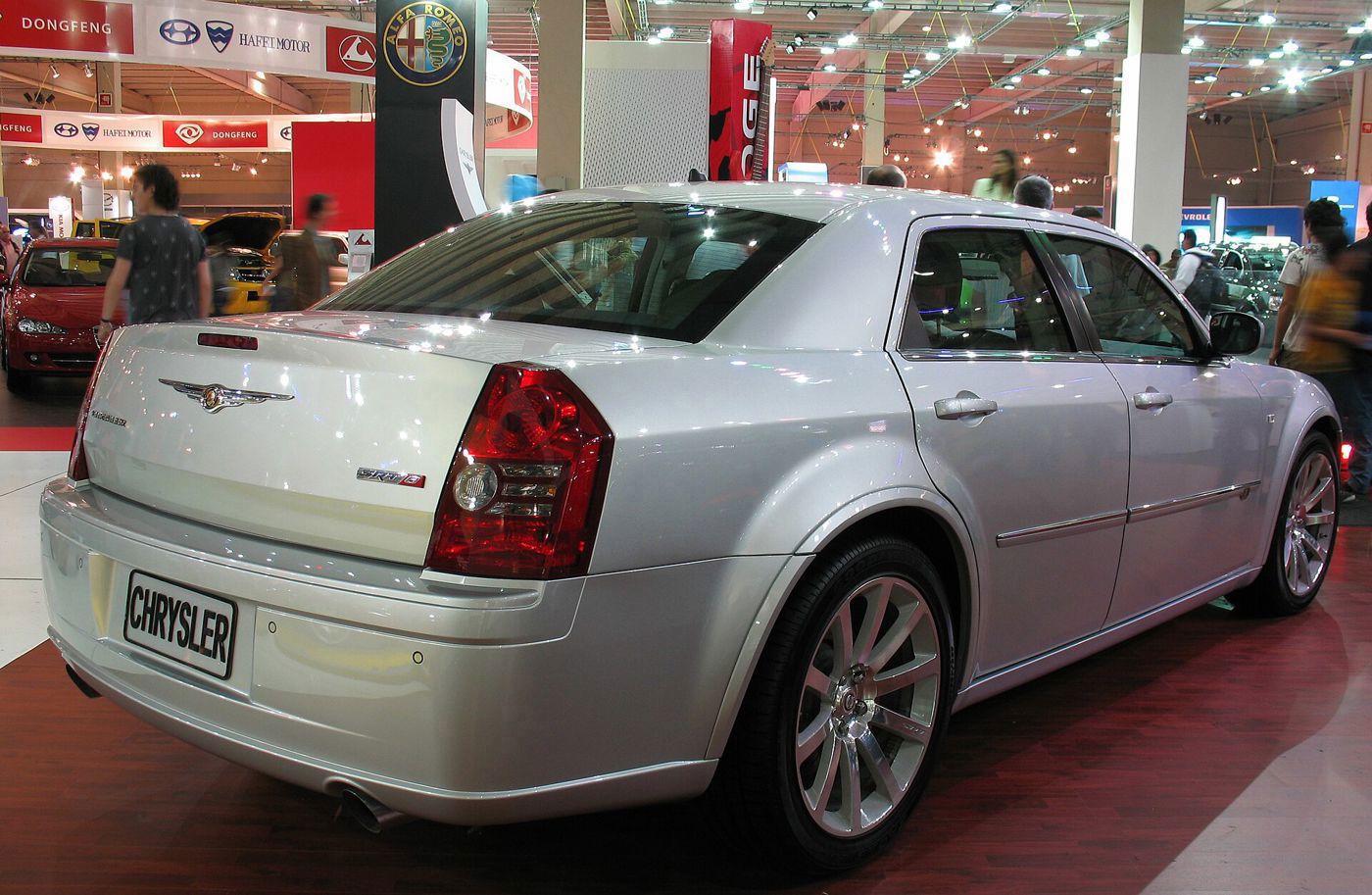
Chrysler 300C SRT8 goes further: one relevant configuration, not a pair. Its guide gives the 6.1-liter engine at 425 horsepower and 420 pound-feet with W5A580 and 3.06. The page calls it a one-row family exception so nobody later “completes” the table by inventing a manual or alternate trim merely because Challenger has one.
The 300C’s peak-power rpm exposes a smaller documentary trap. Challenger and Charger SRT8 guides place 425 horsepower at 6,200 rpm. The 300C guide places the same nominal horsepower at 6,000. The database keeps each factory observation attached to its car. It does not assume one sheet has a typo or standardize the values because the displacement and headline output match.
These variations explain why platform or plant cannot serve as configuration identity. Related architecture can support different wheelbases, bodies, drive systems, calibrations, transmissions, axles, suspensions, interiors, and missions. A parts-commonality story needs component evidence. The current narrative limits itself to the distinctions the guides actually map and avoids claiming that everything not mentioned was shared.
SRT itself was collective work. Program leadership, powertrain engineering, chassis development, suppliers, Brampton assembly workers, quality teams, and test staff brought the cars together. Future records should name individuals and roles. Until then, “SRT engineers” is a scoped collective description, not evidence that one executive personally determined every rating or axle.
Road/Track, Super Track Pack, and Track Pak language requires particular caution. Package names can describe different content and dependencies across models. A feature paragraph does not always map cleanly to a selector. The project stores package semantics first, then creates a row only when the package materially changes comparison identity and order evidence resolves applicability.
The cars also occupy different cultural arguments. Challenger reaches toward the two-door muscle lineage. Charger makes family-sedan and all-weather performance part of its case. 300C SRT8 combines luxury presentation with the performance power team. A single horsepower leaderboard would hide those purposes. Exact selection lets a reader compare them without pretending purpose is a numeric field.
Race and specialty branches remain separate. Challenger Drag Pak was built for NHRA categories, and Mopar ’10 was a factory-authorized branded special whose post-modification certified output is not established. Neither inherits a street row merely because its donor or body appears in these guides. Viper and Grand Cherokee SRT8 remain outside the catalog by sports-car and SUV scope.
The image problem parallels the data problem. A photograph of one Brampton line cannot be captioned as showing all three specific performance configurations unless date, bodies, and context support it. Stellantis Heritage, plant archives, worker collections, and photographers are leads. Access does not grant reuse, and no unlicensed material belongs in Git or a served directory.
Contextual links can eventually connect Challenger and Charger history to later model-year pages and a verified sports-car route for Viper. They do not justify a family footer. Each link should answer an editorial question—shared manufacturing, SRT development, or a precise year transition—and reciprocal edits must carry their own tests in clean sibling worktrees.
One Brampton recipe is therefore useful only as a metaphor for shared institutional context. The records show at least three arguments, and exact configurations multiply them further: manual versus automatic, rear drive versus all-wheel drive, option group versus trim, coupe versus sedan. Preserving the different rpm, rating, and axle observations lets the shared story stay interesting without making the cars falsely identical.
Production totals remain outside this first story for the same reason. A plant total cannot establish how many cars carried a particular engine, axle, package, or transmission, and a package percentage cannot be multiplied into a defensible exact count without its denominator and accounting method. Final corporate records, not auction rarity language, must support any later “one of N” claim.
The comparison also stays open across years. A reader can place 2010 Challenger R/T manual beside a 1970 Challenger configuration, or compare Charger Road/Track with a later Scat Pack, while every row retains its own rating convention and configuration. Cross-year selection is useful precisely because the tool does not pretend the badge, HEMI name, or horsepower standard stayed unchanged.