Stories · 2010 · cross-marque
2010: The Pony-Car Reunion Was an Engineering Argument
Camaro, Challenger, and Mustang in showrooms at the same time again — and an engineering argument that had moved on while everyone was remembering 1970.
Story reviewed July 27, 2026
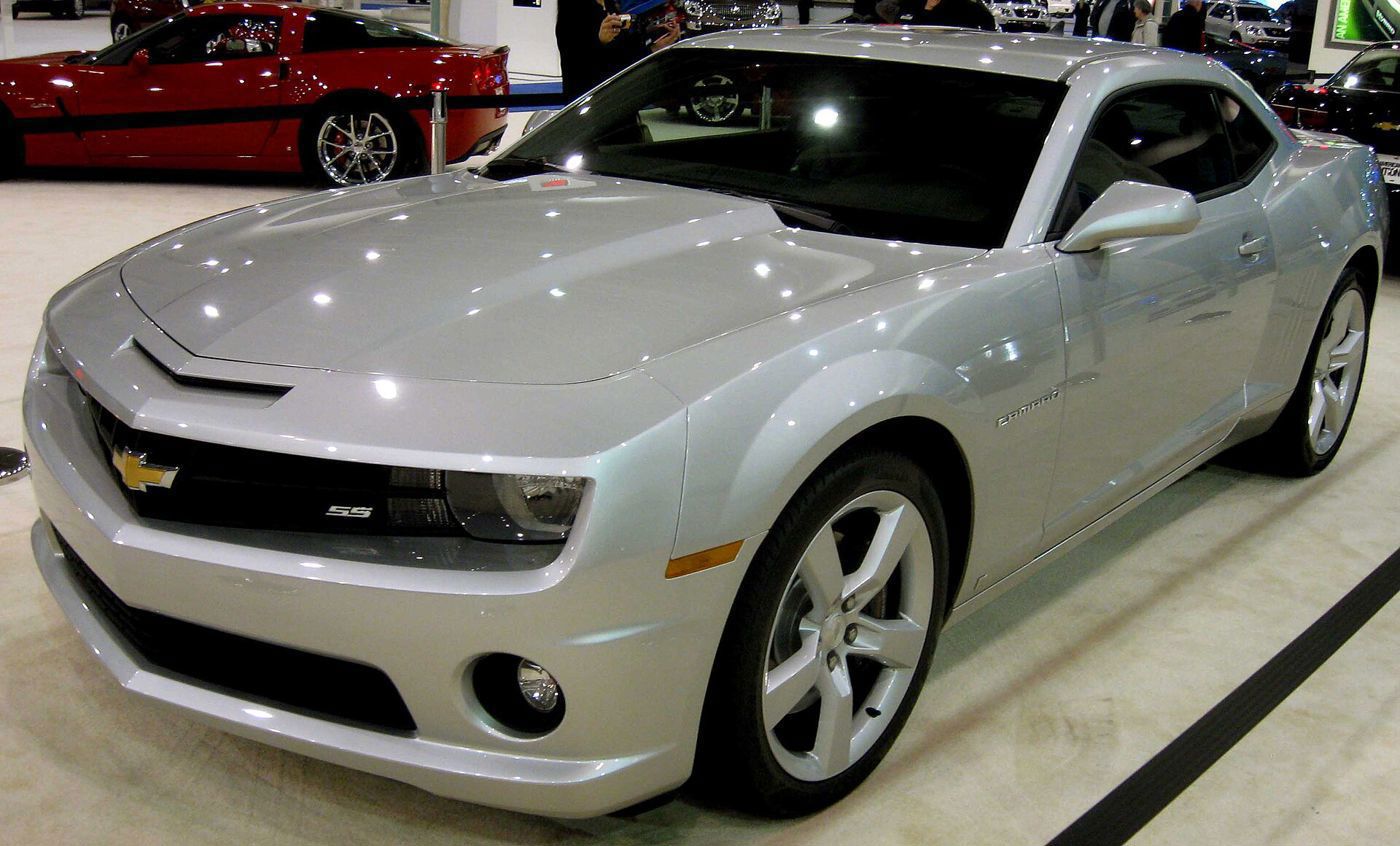
Tom Peters gave Chevrolet’s design studio a problem larger than drawing another retro coupe. Chevrolet’s own brochure frames the task as creating a Camaro with twenty-first-century presence, not reproducing a museum object. SangYup Lee is named in the design account, while Al Oppenheiser appears in the engineering story. Their roles begin the page separately because shape, chassis development, certification, and program leadership were related work, not one person’s inspiration.
The result arrived in a market Mustang had never left and Challenger had reentered two years earlier. For the first time since Camaro production ended after 2002, the three familiar names could be selected in the same model year. That reunion is emotionally simple and mechanically complicated. Transmission choice changed the Camaro SS engine, rating, torque, and axle. Challenger R/T changed rating and axle with its gearbox. Mustang offered V6, GT, and supercharged Shelby GT500 power teams.
Chevrolet’s final U.S. brochure supports four exact Camaro configurations. The 3.6-liter direct-injected V-6 carries 304 horsepower and 273 pound-feet with either a six-speed manual or six-speed automatic, each mapped to a 3.27 axle. SS manual uses the LS3 6.2-liter V-8 at 426 horsepower and 420 pound-feet with a 3.45 axle. SS automatic uses the L99 at 400 horsepower and 410 pound-feet with a 3.27.
Those SS rows make “Camaro SS” an incomplete selection. The automatic did not merely shift the same advertised engine through a different gearbox. It carried a different engine identifier and factory output observation. The comparison therefore lets a reader select LS3 manual or L99 automatic directly. It never pastes 426 horsepower over every SS because that is the most attractive number attached to the badge.
The route from preliminary specification to final brochure is part of the return story. Chevrolet’s October 2008 sheet labels its figures projected and pending SAE certification: 300 horsepower and 273 pound-feet for V6, 422 and 408 for LS3, 400 and 395 for L99. The final brochure says 304/273, 426/420, and 400/410. Both documents remain in the record, dated and scoped.
That evolution is not cleaned away as a mistake. Certification and finalization changed the numbers available to buyers, and the source sequence explains why period reports disagree. Chevrolet’s later announcement of 312 horsepower and 278 pound-feet for 2011 is another observation under a later certification. It cannot be backdated onto 2010 simply because Chevrolet called the earlier figure conservative.
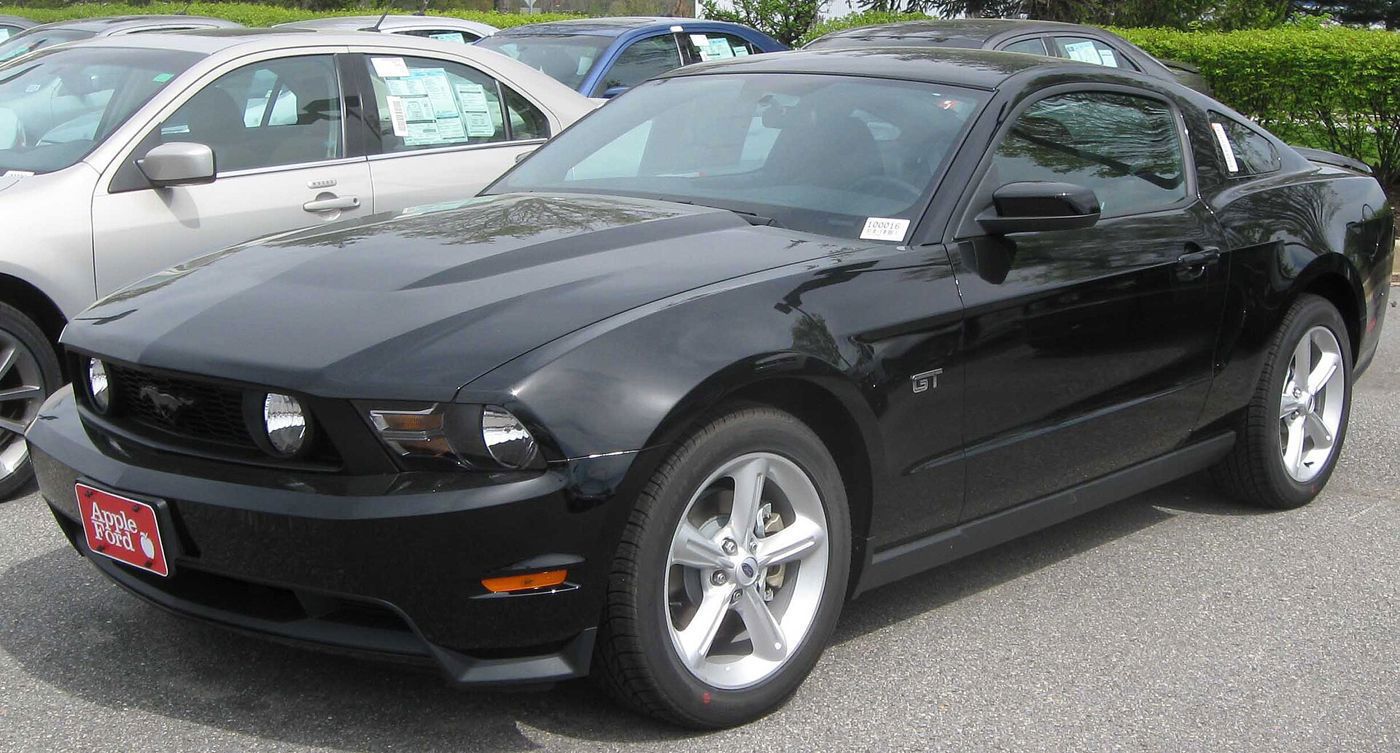
Ford’s five rows show a different menu. V6 manual and automatic share 210 horsepower and 240 pound-feet. GT manual and automatic share 315 horsepower and 325 pound-feet with the standard 3.31 limited-slip mapping. Shelby GT500 uses a supercharged 5.4-liter V-8 at 540 horsepower and 510 pound-feet with a TR-6060 six-speed and 3.55 axle. Manual and automatic remain independently selectable even where Ford published one output.
GT500 brings its own credible factory disagreement. The sales brochure places 540 horsepower at 6,000 rpm, while the final Ford supplement says 6,200. The release leads with the later, configuration-specific supplement and narrates both. It does not average the two rpm values, conceal the brochure, or pretend a peak-speed discrepancy changes the settled 540-horsepower headline.
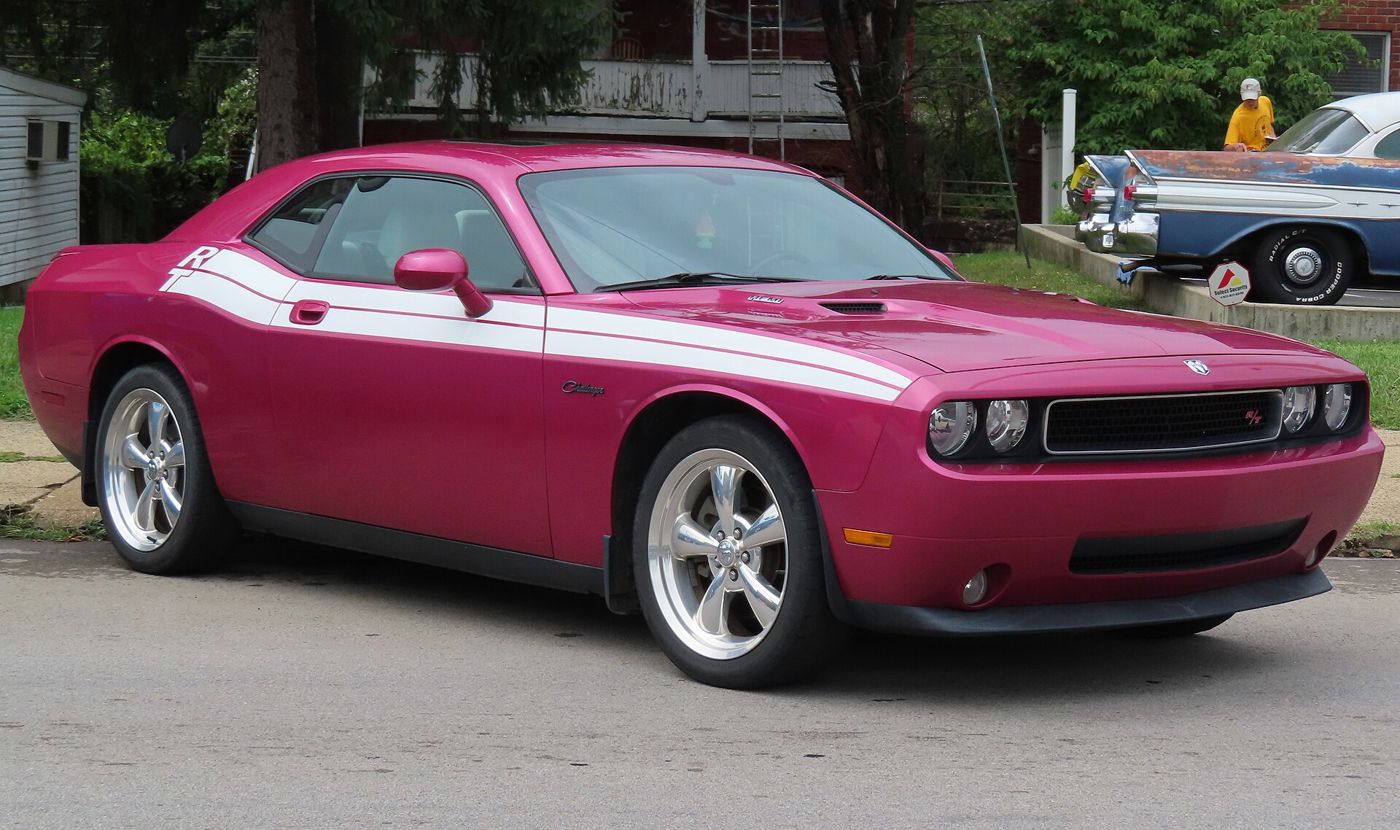
Dodge widens the choice further. Challenger R/T automatic carries 372 horsepower and 400 pound-feet through a five-speed automatic and 3.06 axle. The clear manual row on the 18-inch wheel mapping carries 376 and 410 through a TR-6060 and 3.73 limited-slip. SRT8 offers automatic and manual rows at 425 horsepower and 420 pound-feet, with their respective 3.06 and 3.91 mappings.
The manual R/T’s rating is itself a story in paper. Chrysler’s engineering guide and show release say 376 horsepower; the official retail brochure says 375. The engineering observation leads because it is tied to the detailed power-team mapping, and the retail conflict remains visible. Another table disagreement—3.91 versus 3.92 for the manual 20-inch/Track Pak context—keeps that additional selector on hold.
The reunion was not limited to two-door cars. Taurus SHO brought 365 horsepower, all-wheel drive, and two axle/package choices. CTS-V brought 556 horsepower with manual or automatic transmission. Charger offered rear drive, all-wheel drive, Road/Track, and SRT8 configurations. Chrysler 300C SRT8 supplied one supported row. The comparison includes these sedans because 2010 performance culture was larger than the revived pony-car photograph.
That breadth does not erase category. The selector exposes coupe or sedan, rear drive or all-wheel drive, transmission, package, induction, and evidence basis beside the numbers. It does not announce a universal winner by horsepower. A 300C SRT8’s different mission and 6,000-rpm peak remain visible beside Challenger and Charger SRT8 observations at 6,200, even when the nominal 425 horsepower appears shared.
Race cars run on parallel routes. Ford’s Boss 302R and the Pratt & Miller-built Camaro GT.R were purpose-built competition machines. Their body names and programs deepen the 2010 story but do not inherit GT, GT500, V6, or SS street specifications. Challenger Drag Pak and Viper ACR-X remain race branches too. Competition creates context, not permission to merge engines, gearboxes, weights, or results.
Sibling links are equally precise. The Mustang entries connect to Mustang Facts’ 2010 page, and the Camaro return connects to Camaro Facts’ 2010 page. CTS-V can link toward Vette Facts’ 2010 C6 coverage only to explain the LSA/LS9 family relationship. Shared architecture never proves identical components or output, and Corvette stays outside this catalog.
The reunion matters because it restored a conversation, not because it restored one formula. Camaro returned through global design and development with four powertrain identities. Mustang offered five configurations from V6 through Shelby. Challenger made transmission and package choices materially visible. The sedans made the argument wider. Twenty-two exact rows let readers compare the cars they actually mean while the discrepancies show how the public specifications became final.